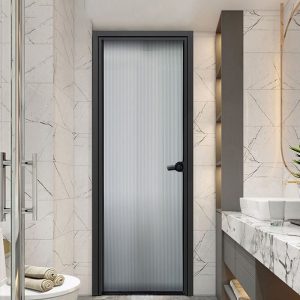
Folding windows, also known as bi-fold windows, have become a staple in modern home designs. These windows are incredibly versatile and offer unmatched convenience, blending indoor and outdoor spaces beautifully. Whether you’re looking for a panoramic view, seamless indoor-outdoor transition, or a space-saving solution, folding windows fit the bill perfectly.
The big decision, however, is choosing the right material for your folding windows—aluminum alloy, wood, or uPVC. Each material has unique traits that impact performance, aesthetics, durability, and maintenance requirements. Among the three, aluminum alloy folding windows stand out as a top choice, combining strength, modern style, and long-lasting performance.
In this detailed blog, we’ll compare aluminum alloy, wood, and uPVC folding windows, exploring their pros and cons while highlighting the advantages of aluminum alloy windows, especially for modern homes.

What Are Folding Windows, and Why Choose Them?
Folding windows are designed with sashes that neatly fold and stack to one side, maximizing space and creating seamless indoor-outdoor flow. Here’s why they’re widely used:
Wide Openings: Folding windows allow for larger openings compared to traditional windows, providing panoramic views and promoting airflow.
Space Efficiency: The folding mechanism eliminates the need for swing space, making them ideal for compact spaces.
Modern Aesthetic Appeal: They offer a sleek and contemporary look, complementing modern home designs.
While the design itself is a definite winner, the material you choose directly affects the windows’ aesthetics, functionality, and longevity. Let’s break down the comparison between aluminum alloy, wood, and uPVC folding windows.
Durability and Strength
Aluminum Alloy Folding Windows
High Strength-to-Weight Ratio: Aluminum alloy is lightweight yet incredibly strong, allowing for slim profiles and durability without sacrificing structural integrity.
Resistant to Warping and Cracking: Unlike wood, aluminum is immune to warping, cracking, or swelling caused by changes in temperature or humidity.
Weather-Resistant: Aluminum alloy is highly resistant to corrosion, especially when powder-coated or anodized. This makes it suitable for all climates, including humid and coastal regions.
Long Lifespan: With proper finishes, aluminum folding windows can last for decades without significant wear or degradation.
Wood Folding Windows
Moderate Strength: Wooden frames are sturdy but prone to warping, rotting, and cracking, particularly in humid or rainy climates.
Pest Damage: Wood is vulnerable to termite infestations unless treated regularly.
Shorter Lifespan: Even with proper care, wood tends to degrade faster than aluminum in extreme weather conditions.
uPVC Folding Windows
Good Weather Resistance: uPVC is resistant to rust and corrosion, making it a decent choice for diverse climates.
Weaker Frame: uPVC isn’t as strong as aluminum, so the frames are bulkier to maintain stability. This can limit the size and sleekness of folding window designs.
Prone to Warping Over Time: In high temperatures, uPVC tends to expand, crack, or warp, which can reduce its durability in the long run.
Winner: Aluminum alloy folding windows take the lead in durability due to their strength, weather resistance, and long lifespan.
Aesthetic and Design Flexibility
Aluminum Alloy Folding Windows
Sleek and Modern Design: Aluminum allows for slim profiles and large glass panels, offering a minimalist, contemporary look that’s perfect for modern homes.
Custom Finishes: Aluminum windows can be powder-coated in a variety of colors and textures or given anodized finishes for a more industrial aesthetic.
Wide Openings: The strength of aluminum allows for larger folding panels, creating expansive views and uninterrupted sightlines.
Perfect for Glass Integration: Aluminum frames pair beautifully with double-glazed or tinted glass, enhancing functionality and style.
Wood Folding Windows
Traditional Charm: Wood offers a natural, timeless appeal and is well-suited for rustic, vintage, or traditional home designs.
Custom Styling: Wooden windows can be stained, painted, or carved for added customization.
Bulkier Frames: Due to the weight of wood, folding window frames often need to be thicker, reducing the visible glass area and overall openness of the design.
uPVC Folding Windows
Basic Appearance: uPVC lacks the premium look that aluminum or wood provides, often appearing bulkier or more plastic-like.
Limited Styling Choices: While available in a few colors and finishes, uPVC lacks the wide customization options that aluminum offers.
Less Refined: The thicker frames required for uPVC can detract from the seamless, modern look that folding windows are known for.
Winner: Aluminum folding windows deliver unbeatable design versatility and sleekness, making them the ideal choice for both modern and minimalist aesthetics.
Maintenance Requirements
Aluminum Alloy Folding Windows
Low Maintenance: Aluminum windows require little care beyond occasional cleaning with water or mild detergent.
Scratch and Crack Resistant: Powder-coated or anodized aluminum is resistant to scratches, fading, and chipping, ensuring long-lasting beauty.
Corrosion Resistant: Aluminum alloy is highly resistant to rust and corrosion, even in humid or salty environments, making it easy to maintain over time.
Wood Folding Windows
High Maintenance: Wooden windows require regular sealing, painting, or staining to protect against moisture, pests, and rot.
Time-Consuming Upkeep: Even with frequent maintenance, wood tends to deteriorate faster than aluminum and requires periodic repairs or replacement.
uPVC Folding Windows
Moderate Maintenance: uPVC windows require minimal cleaning. However, they can discolor or become brittle over time, especially in sun-exposed areas.
Difficult Repairs: Damage to uPVC often necessitates complete replacement of the affected frame.
Winner: Aluminum folding windows stand out for their low maintenance and long-lasting finishes.
Energy Efficiency
Aluminum Alloy Folding Windows
Thermal Break Technology: Modern aluminum windows feature thermal break technology that reduces heat transfer, improving insulation and energy efficiency.
Double- or Triple-Glazing Option: Pairing aluminum frames with energy-efficient glass enhances thermal performance and helps regulate indoor temperatures.
Wood Folding Windows
Natural Insulation: Wood is a good natural insulator, maintaining indoor temperatures efficiently. However, cracks, warping, or gaps that develop over time can reduce their insulating properties.
uPVC Folding Windows
Good Insulation: uPVC has decent natural insulation properties, making it effective at reducing heat loss or gain. However, its insulating capabilities may reduce over time as the material degrades.
Winner: Aluminum folding windows, when combined with thermal break technology and insulated glazing, offer comparable or superior energy efficiency to wood and uPVC.
Cost and Value
Aluminum Alloy Folding Windows
Mid-Range Pricing: Aluminum is more expensive than uPVC but typically less costly than high-quality wood.
Long-Term Investment: Considering its durability and low maintenance, aluminum folding windows offer exceptional value over their lifespan.
Wood Folding Windows
High Initial Costs: Wood is often the most expensive material due to high raw material and crafting costs.
Recurring Expenses: Wood frames require regular maintenance to remain functional, resulting in additional long-term expenses.
uPVC Folding Windows
Budget-Friendly Option: uPVC is the most affordable option upfront but has a shorter lifespan and higher probability of requiring replacements.
Lower Long-Term Value: While cheaper initially, uPVC is less durable than aluminum and can lead to higher replacement costs.
Winner: Aluminum folding windows provide excellent value for money, balancing affordability with durability and low maintenance.
Environmental Impact
Aluminum Alloy Folding Windows
Highly Sustainable: Aluminum is 100% recyclable, and recycling it uses only 5% of the energy needed for primary production.
Eco-Friendly Manufacturing: Aluminum’s longevity reduces waste and environmental impact.
Wood Folding Windows
Eco-Friendly Only if Sustainably Sourced: Wood is a renewable material, but it’s essential to ensure responsible sourcing to avoid contributing to deforestation.
uPVC Folding Windows
Not Biodegradable: uPVC is manufactured from non-renewable resources (petrochemicals) and is not easily recyclable, making it less sustainable.
Winner: Aluminum folding windows are the most environmentally friendly due to their recyclability and long lifespan.
Why Aluminum Folding Windows Are the Smart Choice for Modern Homes
After analyzing the strengths and weaknesses of aluminum alloy, wood, and uPVC folding windows, it’s clear that aluminum folding windows provide the best combination of functionality, performance, and style.
Key Reasons to Choose Aluminum Folding Windows:
Unmatched Durability: Resistant to rust, corrosion, and warping, ensuring a long lifespan.
Modern Aesthetic: Sleek, slim profiles and customizable finishes align perfectly with contemporary designs.
Low Maintenance: Very little effort required to keep them in excellent condition.
Energy Efficiency: Advanced thermal break technology keeps your home insulated.
Value for Money: Offers a great balance of affordability, longevity, and performance.
Eco-Friendly Choice: Fully recyclable and sustainable.
While wood offers a traditional, timeless aesthetic and uPVC is a more affordable upfront option, aluminum folding windows outshine both. They are the ideal choice for homeowners seeking a long-lasting, stylish, and cost-effective solution that enhances their property’s value and functionality.