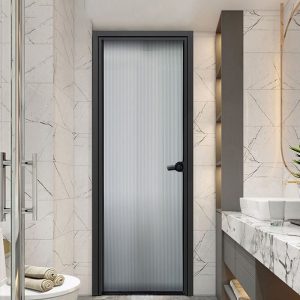
When it comes to doors, functionality, durability, and design are key factors in making your home or workspace stylish and practical. Casement glass doors, with their side-hinged design, allow for smooth operation, timeless appeal, and exceptional ventilation. However, the material of your casement doors can significantly impact their performance and longevity.
While wood offers classic charm and uPVC is an affordable option, aluminum casement doors emerge as the superior choice for their durability, low maintenance, aesthetic flexibility, and environmental friendliness. In this blog, we’ll compare aluminum, wood, and uPVC casement doors, focusing on why aluminum casement doors continue to be the first choice for modern architecture.

Durability and Strength
Aluminum Casement Doors: Unmatched Structural Integrity
Aluminum is known for its incredible strength-to-weight ratio, making it durable enough to handle frequent use without succumbing to wear and tear. Aluminum casement doors can accommodate larger glass panels for a sleek and modern look, all while maintaining their rigidity. This superior strength ensures that aluminum lasts for decades without issues like breaking, bending, or cracking. Additionally, advancements in powder-coating technology prevent rust and corrosion, ensuring years of reliable performance even under extreme weather conditions.
Wood Casement Doors: Prone to Wear and Tear
Wood is traditionally valued for its natural strength and charm, but it’s vulnerable to environmental conditions. Over time, exposure to humidity and extreme temperatures can cause wood to warp, crack, or rot, particularly in areas with high moisture or heavy rain. These issues significantly reduce the longevity of wood casement doors, even with regular maintenance.
uPVC Casement Doors: Less Resilient
UPVC offers moderate strength, making it suitable for lightweight applications. However, it’s prone to warping, discoloration, and brittleness over time, especially when exposed to extreme heat and sunlight. For applications involving large casement doors or where durability is critical, uPVC may fail to deliver the long-term performance required.
Verdict: When it comes to strength and durability, aluminum casement doors are by far the most reliable option, especially for heavy-duty or high-traffic environments.
Maintenance
Aluminum Casement Doors: Low-Maintenance Excellence
Aluminum is a maintenance-free option, requiring little more than occasional cleaning to retain its pristine appearance. Unlike wood, aluminum is immune to rot, termites, and moisture damage, meaning it doesn’t need sealing, painting, or varnishing. Furthermore, because of its corrosion-resistant properties, aluminum sustains its sleek finish for years with no deterioration.
Wood Casement Doors: High Maintenance
Wood casement doors demand an ongoing commitment to sealing, painting, sanding, and inspecting. If left untreated, wood can succumb to water damage, pest infestation, and fading due to sunlight. The frequent upkeep required to maintain wooden doors significantly raises their cost and effort over time.
uPVC Casement Doors: Easy to Clean but Short-Term Solution
UPVC requires less maintenance than wood, as it is water- and termite-resistant. However, discoloration and warping are common problems over the years, especially when exposed to prolonged heat or sunlight. Once damaged, uPVC doors are often irreplaceable without replacing the entire frame.
Verdict: Aluminum casement doors are the most convenient option, offering durability and aesthetics with minimal maintenance compared to wood or uPVC.
Weather Resistance
Aluminum Casement Doors: Withstand All Weather Conditions
Aluminum is inherently weather-resistant, making it an excellent choice for both indoor and outdoor applications. Whether exposed to rain, snow, intense sunlight, or high humidity, aluminum casement doors remain unaffected by warping, swelling, or cracking. Powder-coated finishes provide additional protection, ensuring that aluminum retains its appearance and performance across decades of use.
Wood Casement Doors: Vulnerable to Moisture
Weather conditions can significantly impact the performance of wooden doors. High humidity leads to swelling and warping, while exposure to rain or snow can cause rotting and decay. In dry areas, prolonged sun exposure may result in cracking or fading, leaving wood unsuitable for coastal or tropical environments without heavy treatment.
uPVC Casement Doors: Moderate Weather Resistance
UPVC performs well against water and moisture damage but doesn’t handle extreme weather conditions well. Prolonged UV exposure can cause the plastic to fade, crack, or become brittle, shortening the life of uPVC doors. While suitable for mild climates, uPVC struggles in extreme conditions when compared to aluminum.
Verdict: Aluminum casement doors are the most weather-resistant solution, offering reliable performance across all climates.
Aesthetics and Design
Aluminum Casement Doors: Sleek, Modern, and Flexible
Aluminum casement doors are synonymous with modern architectural design. Their slim profiles allow for larger glass panels, optimizing natural light and creating stunning visual appeal. Aluminum casement doors are available in numerous finishes, colors, and textures, making them suitable for traditional, contemporary, or industrial styles. For those who love the warmth of wood, wood-look aluminum finishes allow homeowners to enjoy the aesthetic of wood without sacrificing durability.
Wood Casement Doors: Classic but Bulky
Wood creates a timeless and traditional ambiance, making it ideal for rustic or heritage homes. However, the bulkier framework of wood reduces the size of glass panels and limits the flow of natural light. Additionally, color choices for wood are limited unless painted, and wood’s appearance deteriorates quickly if not well-maintained.
uPVC Casement Doors: Basic and Uninspired
UPVC casement doors are available in only standard, plain finishes, such as white or beige, which lack the high-end sophistication of aluminum or wood. Over time, uPVC tends to age poorly, with fading and yellowing detracting from its appearance.
Verdict: Aluminum casement doors offer unmatched design versatility, appealing to homeowners seeking sleek, contemporary styles and larger glass features.
Energy Efficiency
Aluminum Casement Doors: Improved Thermal Performance
Modern thermal break technology has transformed aluminum into an energy-efficient option. By incorporating an insulating barrier within the frame, aluminum casement doors effectively reduce heat transfer, helping to keep homes cool in summer and warm in winter. Pairing aluminum doors with double-glazing ensures exceptional energy efficiency.
Wood Casement Doors: Naturally Insulating
Wood provides good insulation naturally, helping to minimize heat transfer. However, wood’s energy efficiency can deteriorate due to shrinking, warping, or gaps between components over time. Regular upkeep is necessary to maintain efficient thermal performance.
uPVC Casement Doors: Decent Insulator
UPVC is naturally insulating and offers decent energy efficiency. However, over time, warping or brittleness caused by extreme temperatures can lead to air gaps, reducing its insulating capabilities.
Verdict: Thanks to thermal break advancements, aluminum casement doors rival wood and uPVC in energy efficiency, while also offering superior durability and longevity.
Sustainability
Aluminum Casement Doors: The Eco-Friendly Option
Aluminum is a 100% recyclable material, and recycling it requires 95% less energy than producing new aluminum. Its long lifespan also reduces waste, making aluminum one of the most environmentally friendly choices for door construction.
Wood Casement Doors: Renewable but Deforestation-Intensive
Wood is a renewable resource, but its production contributes to deforestation and requires significant natural resources. Furthermore, frequent replacements and chemical treatments reduce its eco-friendliness.
uPVC Casement Doors: Unsustainable Plastic
UPVC is derived from non-renewable petroleum-based materials, making it less eco-friendly. While some uPVC can be recycled, most of it eventually ends up in landfills, making it one of the least sustainable options.
Verdict: Aluminum casement doors lead the pack in sustainability, offering eco-conscious homeowners an environmentally-responsible solution.
Why Aluminum Stands Out
After assessing durability, maintenance, weather resistance, design, energy efficiency, and sustainability, it’s clear that aluminum casement doors are the unrivaled choice for modern homes and commercial spaces. Aluminum balances form and function, delivering sleek aesthetics, superior strength, and long-term value with minimal upkeep. Whether you’re revamping your patio, upgrading your entryway, or modernizing interiors, aluminum casement doors are an investment designed to impress and endure.
Key Benefits of Aluminum Casement Doors
1. Durability: Aluminum’s strength ensures long-lasting performance with little wear.
2. Low Maintenance: No sealing, painting, or frequent repairs needed.
3. Weather Resistance: Performs flawlessly in all climates, from humid to extreme heat.
4. Modern Aesthetics: Slim profiles and customizable finishes for timeless style.
5. Energy Efficiency: Thermal technology guarantees excellent insulation.
6. Eco-Friendly: Fully recyclable and sustainable, with a low environmental impact.
For those seeking stylish, functional, and durable solutions, aluminum casement doors outweigh wood and uPVC in nearly every category. Make the modern choice today and enjoy the countless benefits of aluminum for years to come!