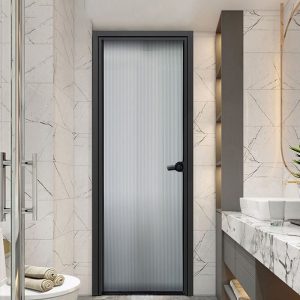
French glass doors are a timeless and elegant addition to any home. With their classic appeal and ability to brighten up spaces with natural light, they have remained a favorite among homeowners for both interior and exterior applications. However, when it comes to selecting the right material, the decision often boils down to aluminum, wood, and uPVC.
Each material has its merits, but if you’re looking for a combination of modern style, high durability, low maintenance, and energy efficiency, aluminum French doors stand out as the best choice. In this blog, we’ll discuss the pros and cons of aluminum, wood, and uPVC French doors, and explain why aluminum French doors should top your list.

Why Select the Right Material for French Doors?
French doors are not just functional—they’re a design element that contributes to your home’s overall aesthetic, energy efficiency, longevity, and security. Picking the wrong material can result in frequent maintenance, reduced visual appeal, and higher long-term costs. On the other hand, making the right choice can provide decades of style and durability.
Read on as we evaluate aluminum, wood, and uPVC across several key factors—design, durability, maintenance, thermal performance, and overall value—and explain why aluminum French doors come out on top.
Aesthetics: Combining Functionality with Style
French doors are known for their stylish and elegant designs, and the material you choose plays a huge role in their overall aesthetic appeal.
Aluminum French Doors
Aluminum French doors excel in modern, minimalist designs. Their slimline frames allow for larger glass panels, which let in more natural light and unobstructed views. The clean, contemporary look of aluminum complements almost any architectural style—from sleek, ultra-modern homes to more traditional designs.
With a wide range of customization options, aluminum French doors can be powder-coated in a variety of colors and finishes, including metallics, mattes, and even woodgrain effects that mimic the look of real wood.
Wooden French Doors
Wood is perfect for creating a classic, traditional appearance with natural warmth and charm. The natural grain of wood adds character, making it a popular choice for homes with rustic or country-inspired designs. However, wooden French doors tend to have thicker frames, which can block more light and reduce the viewing area. Over time, wood can also discolor due to sun exposure, adding to its aesthetic limitations.
uPVC French Doors
UPVC has a simple, functional appearance that lacks the refinement of aluminum or wood. While uPVC can be styled in different colors, it has a plastic-like finish that does not suit high-end or luxury interiors. Additionally, the frames are bulkier compared to aluminum, meaning less glass and more obstructed views.
Winner: For sleek, modern aesthetics and customizability, aluminum French doors are unbeatable.
Strength and Durability: Long-Term Performance
Durability is a crucial factor when selecting French doors, especially since they’re exposed to weather, daily use, and other environmental stressors.
Aluminum French Doors
Aluminum is one of the strongest and most durable materials for French doors. Despite its lightweight composition, it can support large panels of glass, making it perfect for oversized or high-traffic doors. Aluminum is resistant to warping, cracking, corrosion, and pests, which means it can withstand extreme weather conditions with ease.
Modern powder-coated finishes ensure that aluminum doors stay vibrant and scratch-resistant for years to come. Unlike wood or uPVC, aluminum requires virtually no structural repairs over its lifespan.
Wooden French Doors
Wooden French doors, while initially robust, are highly vulnerable to moisture, rot, pests, and temperature fluctuations. Over time, exposure to humidity or rain can cause the wood to shrink, swell, or warp, leading to misaligned frames, drafts, and cracks. Maintaining their structural durability requires frequent upkeep, which can be time-consuming and expensive.
uPVC French Doors
UPVC is durable for low-stress environments but often struggles under extreme heat or cold. Prolonged exposure to sunlight can cause the material to become brittle or discolored, and cracking is common in areas with strong UV rays. Over time, uPVC French doors are more prone to deterioration compared to aluminum.
Winner: Aluminum stands out as the most durable and weather-resistant material for French doors.
Low-Maintenance Living
Busy homeowners want doors that look great without needing constant attention. Here’s how each material performs in terms of upkeep:
Aluminum French Doors
Aluminum is virtually maintenance-free. Its powder-coated surface is highly resistant to corrosion, fading, and scratches. Cleaning aluminum French doors requires nothing more than occasional wiping with soap and water. There’s no need for repairs, repainting, or resealing, even in areas exposed to harsh weather conditions.
Wooden French Doors
Wood is beautiful but demands high maintenance. To keep wooden French doors in good condition, you’ll need to sand, seal, stain, or repaint them regularly. This is necessary to protect the wood from moisture, pests, and sun damage. Wooden doors that aren’t properly maintained will quickly warp, rot, or crack, reducing their lifespan.
uPVC French Doors
UPVC is low-maintenance compared to wood but is still susceptible to discoloration, fading, and cracking over the years. Once uPVC begins to deteriorate, it’s often difficult or impossible to repair. In many cases, the only option is a full replacement.
Winner: Aluminum French doors are ideal for those seeking a low-maintenance solution that stays beautiful and functional with minimal effort.
Energy Efficiency: Keeping Your Home Comfortable
Energy-efficient French doors help regulate indoor temperatures, lowering heating and cooling costs while ensuring year-round comfort.
Aluminum French Doors
Modern developments in thermal break technology have made aluminum a top contender for energy-efficient French doors. Thermal breaks act as insulating layers within the aluminum frame, preventing heat transfer from inside to outside (and vice versa). When combined with double or triple-glazed glass, aluminum French doors offer outstanding thermal performance.
Wooden French Doors
Wood is a natural insulator and provides good thermal efficiency at first. However, as wood ages and warps, gaps may form, leading to drafts and a decline in energy performance. Without proper sealing and maintenance, wooden French doors fail to provide lasting energy efficiency.
uPVC French Doors
UPVC has decent energy efficiency due to its insulating properties. It works well in moderate climates but can degrade over time, leading to air leakage around the frames. This compromises its ability to keep your home energy-efficient in the long run.
Winner: Thanks to thermal break technology, aluminum French doors outperform both wood and uPVC in long-term energy efficiency.
Sustainability: Environmentally Friendly Choices
If you’re conscious of the environment, choosing a sustainable material makes a big difference.
Aluminum French Doors
Aluminum is one of the most sustainable materials, as it is 100% recyclable without losing its quality or strength. Many aluminum French doors are made from recycled materials, and their long lifespan minimizes waste. Additionally, their energy efficiency helps reduce overall energy consumption.
Wooden French Doors
Wood is a renewable material, but its sustainability depends on whether it is sourced responsibly (e.g., FSC-certified). However, frequent use of coatings and finishes can reduce its eco-friendliness over time. Treated wood can also release harmful chemicals when discarded.
uPVC French Doors
UPVC is a plastic-based material made from non-renewable petrochemicals. Although it is technically recyclable, most uPVC products end up in landfills due to limited recycling processes. Its environmental impact is far higher compared to aluminum or wood.
Winner: Aluminum is the most sustainable option, thanks to its longevity and recyclability.
Cost vs. Long-Term Value
When evaluating French doors, it’s important to consider not just the upfront cost but also the maintenance, repairs, and lifespan of the material.
Wooden French Doors: High initial cost + frequent upkeep = Higher long-term expense.
uPVC French Doors: Affordable upfront cost but shorter lifespan = Frequent replacements.
Aluminum French Doors: Moderate upfront investment + minimal maintenance + long lifespan = Best overall value.
Winner: Aluminum French doors provide the greatest long-term value, saving you money on repairs and replacements down the line.
Why Aluminum French Doors Are the Best Choice
When comparing aluminum, wood, and uPVC French doors, the evidence is clear—aluminum French doors excel in almost every category. They combine sleek, modern design, unmatched durability, energy efficiency, minimal maintenance, and long-term value, making them the ultimate choice for both contemporary and traditional homes.
Top Reasons to Choose Aluminum French Doors:
Slim, stylish frames with large glass panels for maximum light.
Superior strength and longevity, resistant to rust, warping, and cracking.
Thermal break technology provides excellent energy efficiency.
Virtually zero maintenance requirements, saving you time and effort.
Eco-friendly and recyclable, reducing your environmental footprint.
Fantastic long-term value, with minimal repair or replacement costs.
If you’re ready to transform your home with high-performance French doors, aluminum is the best all-around option to enhance aesthetics, functionality, and long-term savings.