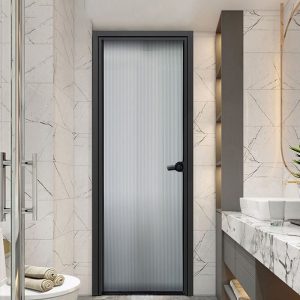
When it comes to upgrading your home with sliding glass doors, choosing the right material is crucial. Sliding doors are not just functional—they serve as a key design element that enhances natural light, connects spaces, and provides stunning views. Among the most common options available are aluminum sliding doors and wood sliding doors. Both materials have their own unique strengths, but if durability and long-lasting performance are priorities, aluminum sliding doors clearly stand out.
In this blog, we’ll compare aluminum sliding doors and wood sliding doors, focusing on durability, aesthetics, maintenance, and value for money, while highlighting why aluminum sliding doors are the ultimate choice for homeowners seeking style and functionality.

Why Durability Matters
Sliding doors play a vital role in your home, serving as a gateway to outdoor areas or partitions between living spaces. Because they are exposed to daily wear-and-tear and environmental conditions—such as humidity, temperature changes, UV rays, and heavy use—the durability of their material directly affects their performance and longevity. Aluminum and wood vary significantly in how they handle these challenges. Let’s explore their differences in detail.
Durability and Longevity
Aluminum Sliding Doors: Unmatched Strength
Aluminum is renowned for its impressive strength-to-weight ratio. This means aluminum sliding doors are lightweight yet strong, capable of handling large glass panels without compromising structural integrity. They are resistant to impacts, cracking, and warping, which makes them ideal for both residential and commercial spaces.
Additionally, aluminum’s natural corrosion-resistant properties protect it from rust and degradation. Even in humid or coastal areas where materials like wood suffer from moisture exposure, aluminum sliding doors remain unaffected. Modern aluminum sliding doors often feature powder-coated finishes, which enhance durability by providing an additional protective layer that resists scratches, fading, and wear.
With proper installation and minimal maintenance, aluminum sliding doors can easily last 20–30 years or more, delivering long-lasting performance and style.
Wood Sliding Doors: Elegance with Limitations
Wood is naturally strong and adds a classic charm to any space. However, it is highly vulnerable to moisture, pests, and temperature fluctuations. Over time, wooden sliding doors are prone to warping, rotting, and cracking, especially if they are not properly treated or maintained. In humid climates or areas exposed to heavy rain, wood can deteriorate quickly without regular care.
While high-quality hardwoods can extend the lifespan of wood sliding doors, they require frequent sealing, staining, or painting to retain their integrity, adding ongoing costs in time and materials.
Lifespan: Wood sliding doors generally last 10–15 years, but this heavily depends on the quality of the wood and maintenance efforts.
Verdict: Aluminum sliding doors are far more durable and reliable in the long term, especially for homes in demanding climates or high-traffic areas.
Aesthetics and Design Flexibility
Aluminum Sliding Doors: Sleek and Modern
For homeowners seeking a sleek, minimalist look, aluminum sliding doors are the ideal choice. Aluminum’s strength allows for narrow frames, maximizing the visible glass area while providing uninterrupted views and abundant natural light. This creates a modern, elegant aesthetic that works well in contemporary and industrial design schemes.
Aluminum frames are highly customizable, with a wide range of powder-coated finishes available. Whether you prefer metallic tones, matte finishes, or even textured coatings that mimic woodgrain, aluminum sliding doors can complement any interior or exterior design.
Wood Sliding Doors: Warm and Traditional
Wood sliding doors offer a natural, rustic beauty that adds character to traditional homes or spaces featuring farmhouse, vintage, or classic styles. However, wood frames are generally thicker than aluminum, which reduces the amount of visible glass and limits how much light enters the room.
Additionally, while wood provides powerful visual appeal, it lacks the versatility of aluminum in terms of changing finishes or matching modern design trends. Over time, wood surfaces may fade or deteriorate, requiring refinishing to maintain their beauty.
Verdict: For sleek, modern aesthetics and design flexibility, aluminum sliding doors are ideal, while wood works better for rustic or traditional homes.
Low Maintenance
Aluminum Sliding Doors: Hassle-Free Care
One of the greatest advantages of aluminum sliding doors is their low maintenance requirements. Aluminum doesn’t warp, rot, or attract pests, and its powder-coated surface protects it from fading or scratching. A quick wipe-down with soap and water is typically all that’s needed to keep aluminum sliding doors looking clean and fresh for years to come.
Wood Sliding Doors: High Maintenance
Wood sliding doors require significantly more upkeep. To prevent rot, warping, and pest infestations, you’ll need to frequently sand, seal, stain, or paint the wood. If neglected, wood can quickly lose its structural integrity and aesthetic appeal, leading to costly repairs or replacements.
Verdict: Aluminum sliding doors are the clear winner for homeowners who want ease of maintenance with long-lasting durability.
Environmental Performance and Energy Efficiency
Aluminum Sliding Doors: Thermally Efficient
Modern thermal break technology in aluminum sliding doors enhances energy efficiency. Thermal breaks act as insulating barriers within the frame, reducing heat transfer and improving temperature control in your home. Paired with double-glazed or triple-glazed glass, aluminum sliding doors regulate indoor temperatures effectively, cutting down on heating and cooling costs.
Wood Sliding Doors: Natural Insulation
Wood is a naturally insulating material, which helps reduce heat transfer. However, its insulation capabilities deteriorate over time as the wood expands, contracts, or suffers from environmental wear. To maintain energy efficiency, wooden sliding doors require careful sealing, which adds to their ongoing maintenance needs.
Verdict: Aluminum sliding doors with thermal breaks are better suited for long-term energy efficiency, providing year-round comfort with minimal upkeep.
Value for Money
Aluminum Sliding Doors: Smart, Long-Term Investment
Although aluminum sliding doors may have a slightly higher upfront cost, their long lifespan, low maintenance needs, and energy efficiency make them a smarter investment over time. You’ll save money by avoiding frequent repairs or replacements that are often necessary for wood sliding doors, making aluminum the more cost-effective option in the long run.
Wood Sliding Doors: Shorter Lifespan, Higher Costs
While wood sliding doors may appeal to homeowners seeking a natural look, the frequent repairs and maintenance can make them expensive to maintain over time. Their shorter lifespan also means that replacement costs may add up faster when compared to aluminum.
Verdict: Aluminum sliding doors provide excellent value for money, offering style and functionality that lasts for decades.
Sustainability
Aluminum Sliding Doors: Environmentally Friendly
Aluminum is one of the most sustainable materials available for sliding doors. It is 100% recyclable, and the recycling process preserves its original strength and quality, while consuming just a fraction of the energy used for creating new aluminum. Additionally, the long lifespan of aluminum doors reduces waste, making them an eco-friendly choice.
Wood Sliding Doors: Renewable but Challenging
Wood is a renewable resource, but its environmental benefits decrease due to the need for frequent replacements. The production of wooden doors often involves chemical treatments and finishes, which can reduce their sustainability.
Verdict: Aluminum sliding doors offer a greener and more environmentally conscious option.
Why Aluminum Sliding Doors Are the Superior Choice
While wood sliding doors bring a touch of natural beauty and warmth to a home, aluminum sliding doors truly excel in all the categories that homeowners care about most: durability, long-term performance, low maintenance, energy efficiency, and sustainability. Whether you’re upgrading your space or starting from scratch, aluminum sliding doors combine cutting-edge technology with stylish design, ensuring your investment lasts for decades.
Key Benefits of Aluminum Sliding Doors
1. Unmatched durability: Resistant to warping, rot, and weather damage.
2. Sleek design: Slim frames maximize natural light and modern aesthetics.
3. Low maintenance: Hassle-free care with powder-coated finishes.
4. Energy efficiency: Thermal breaks improve insulation and reduce energy bills.
5. Value for money: Long lifespan with minimal repair or replacement costs.
6. Sustainability: 100% recyclable for environmentally conscious homeowners.
Transform your home with aluminum sliding doors—the perfect blend of modern style, lasting durability, and practical functionality! For homeowners who want doors to withstand the test of time while looking sleek and elegant, aluminum is the clear choice.