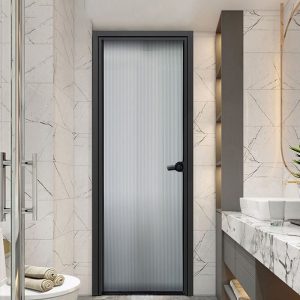
When it comes to selecting the ideal windows for your home, two popular styles often come into consideration: casement windows and French windows. Each window type offers distinct characteristics to meet different needs and preferences, so in this blog post, we’ll look at the key differences between casement windows and their counterparts – particularly casement glass windows.

What are Casement Windows?
Casement windows are hinged windows that open outward, typically using a crank mechanism to completely swing open like doors. Hinge points may be placed either to the left or right for maximum ventilation and unobstructed views.
Advantages of Casement Windows
1. Casement windows offer exceptional ventilation: Their full opening capacity allows for maximum airflow, making them the ideal solution in situations that necessitate maximum ventilation.
2. Energy Efficiency: Casement windows feature an innovative design that allows them to form an airtight seal when closed, significantly decreasing air leakage and increasing energy efficiency.
3. Unobstructed Views: Without any center rail, casement windows offer clear, unobstructed views, making them perfect for beautiful vistas.
4. Ease of Operation: Crank mechanisms make casement windows easy to operate in difficult-to-reach places, even for people with mobility impairments.
What are French Windows?
French windows, also known as French doors when they extend to the floor, consist of two panels that open outward from the center without a stationary post in between, similar to a pair of doors. They are typically hinged on the sides and can feature either in-swing or out-swing designs.
Advantages of French Windows
1. Aesthetic Appeal: French windows are often chosen for their classic and elegant appearance. Glass decorations can dramatically add to the aesthetics of any room.
2. Increased Access: Opening both panels of a French window provides a large and unobstructed opening, which can be useful for moving large items in and out.
3. Versatility: French windows can be used as both windows and doors, providing versatile options for home design.
Differences Between Casement and French Windows
1. Opening Mechanism
Casement Windows: Crank open outward for easy use, then hinge on one side for ease.
French Windows: Both panels swing outward (or inward) from the center, like doors, and do not use a crank mechanism.
2. Aesthetic and Design
Casement Windows: Offer a modern look with a minimalist frame design, providing a sleek and unobstructed view.
French Windows: Feature a more traditional and classic design, often with multiple panes of glass divided by muntins.
3. Functionality and Use
Casement Windows: Best for areas requiring adequate ventilation and unobstructed views, they’re commonly seen in kitchens and bathrooms.
French Windows: Ideal for creating an effortless connection between indoor and outdoor spaces. They are often used in living rooms and bedrooms where a grander entrance or exit is desired.
4. Energy Efficiency
Casement Windows: Airtight closures often provide more energy efficiency due to their ability to form an airtight seal when closed.
French Windows: While they can also be energy-efficient, the central gap between the panels may not seal as tightly as a casement window.
5. Complexity and Maintenance
Casement Windows: The crank mechanism and hinges require regular maintenance to ensure smooth operation.
French Windows: Fewer mechanical parts may mean less frequent maintenance, but attention is needed to avoid sagging over time due to their weight.
Casement and French windows both offer distinct benefits and aesthetic appeal, though casement glass windows tend to be preferred due to their superior ventilation, energy efficiency, and modern appearance. On the other hand, French windows provide classic elegance and increased accessibility, making them perfect for certain architectural styles and functions.
When choosing between the two, consider the specific needs of your space, the architectural design of your home, and your personal preference. By understanding these key differences, you can make more informed choices that meet the needs of your home.