


Improve residential comfort with energy-efficient UPVC windows and doors featuring double-glazed insulated glass. Designed for modern houses, luxury villas, and apartment buildings, these PVC and vinyl systems combine thermal insulation, practical operation, and contemporary styling. Choose custom casement windows, sliding windows, fixed glazing, sliding patio doors, and hinged glass doors. Furthermore, optional Low-E coatings and insulating gas fills offer additional thermal performance choices. Multi-chamber UPVC profiles help reduce heat transfer, while compatible weather seals limit unwanted air leakage. Meanwhile, suitable reinforcement and locking hardware support everyday functionality. Custom dimensions, coordinated frame colors, and different glazing configurations help meet residential design requirements. Whether you need insulated vinyl windows for a house or wholesale PVC windows and doors for a development, share your architectural drawings, quantities, and performance requirements to request a factory-direct quotation.


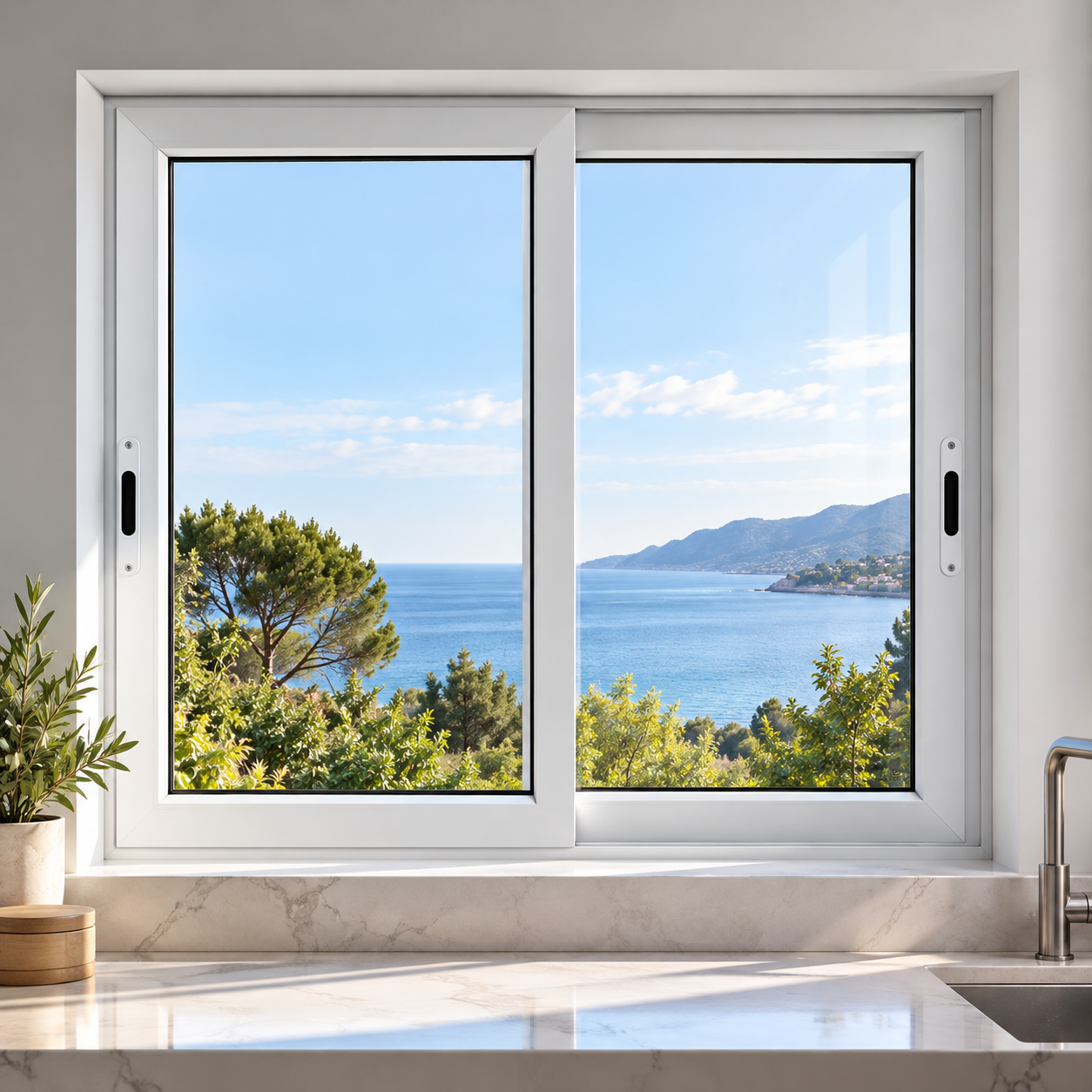
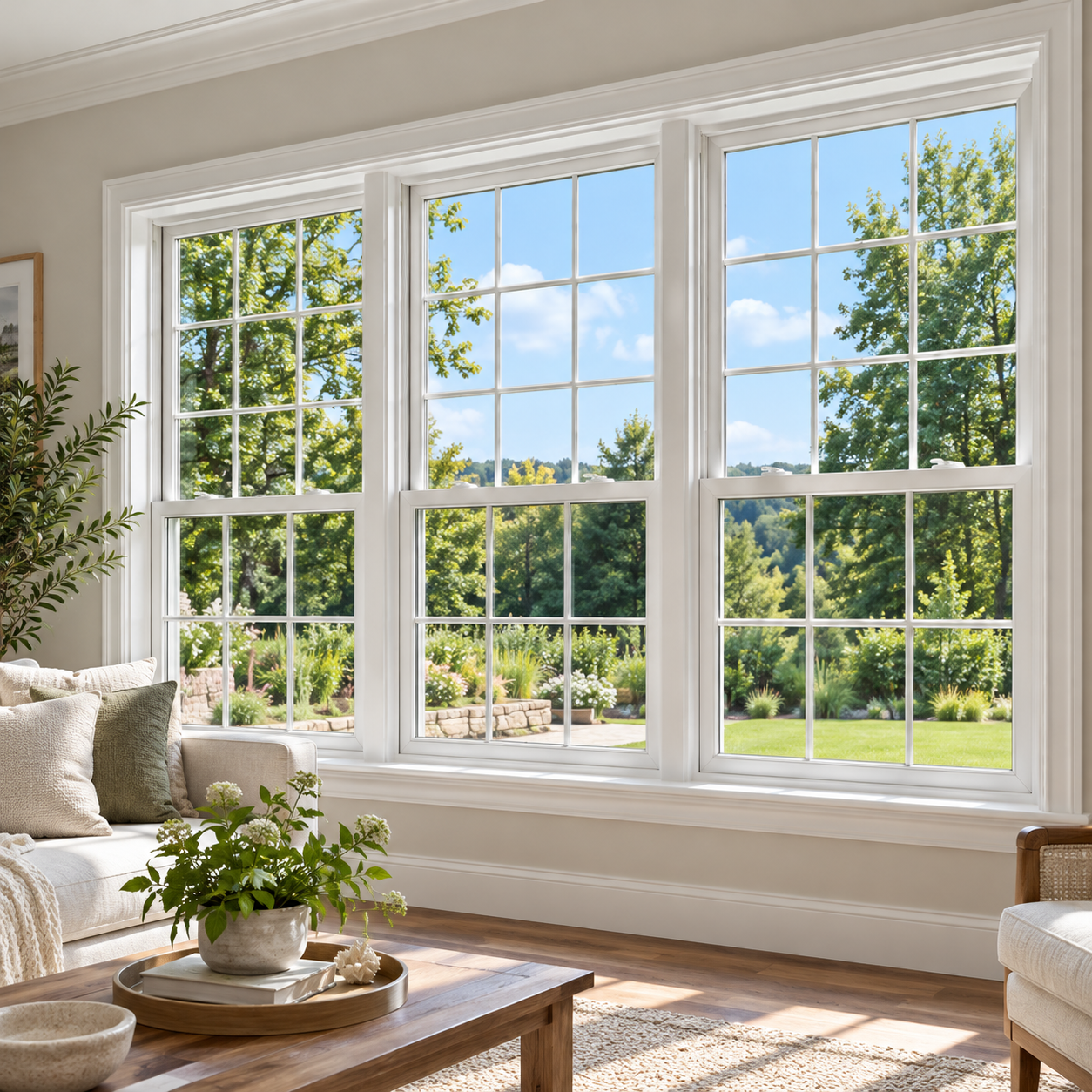
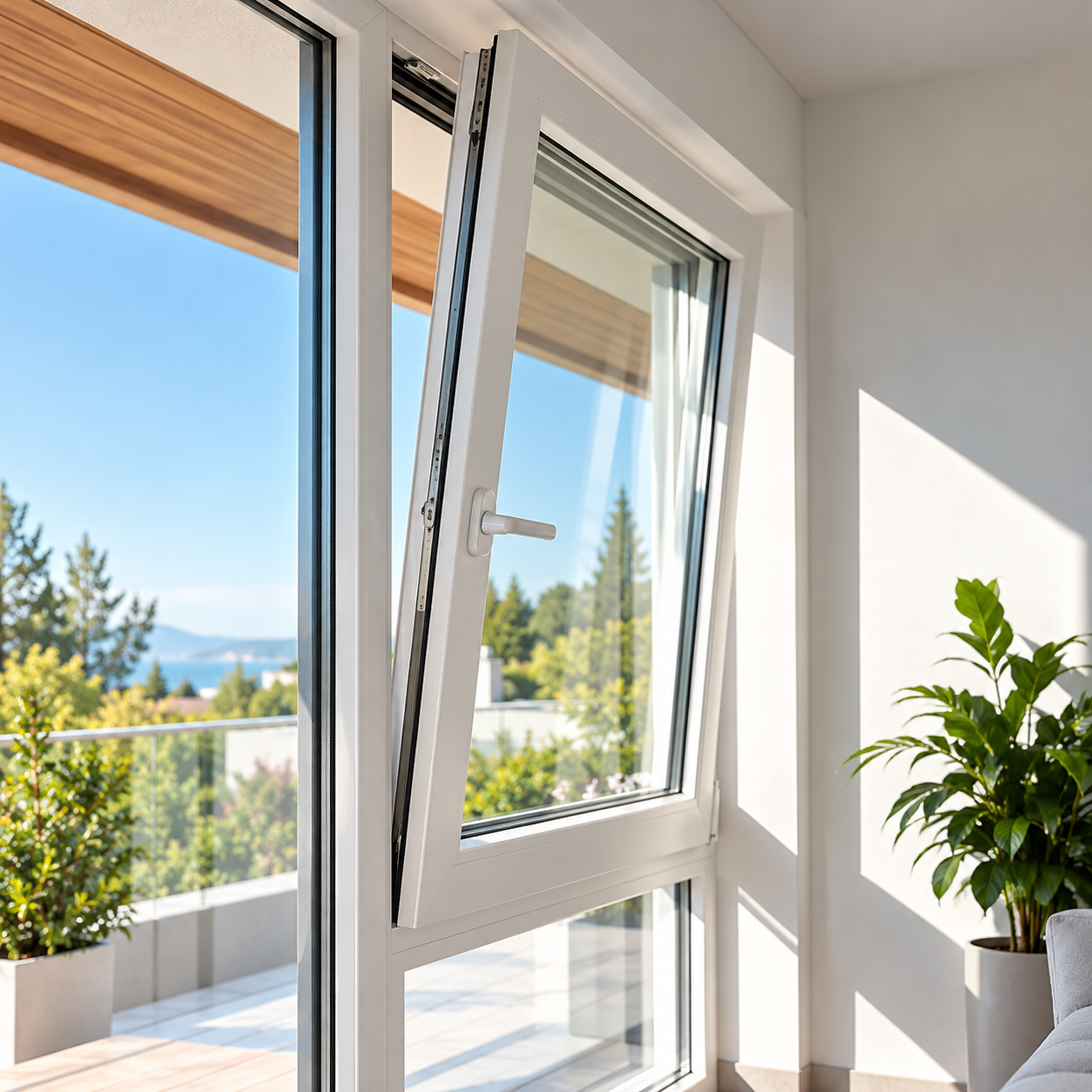

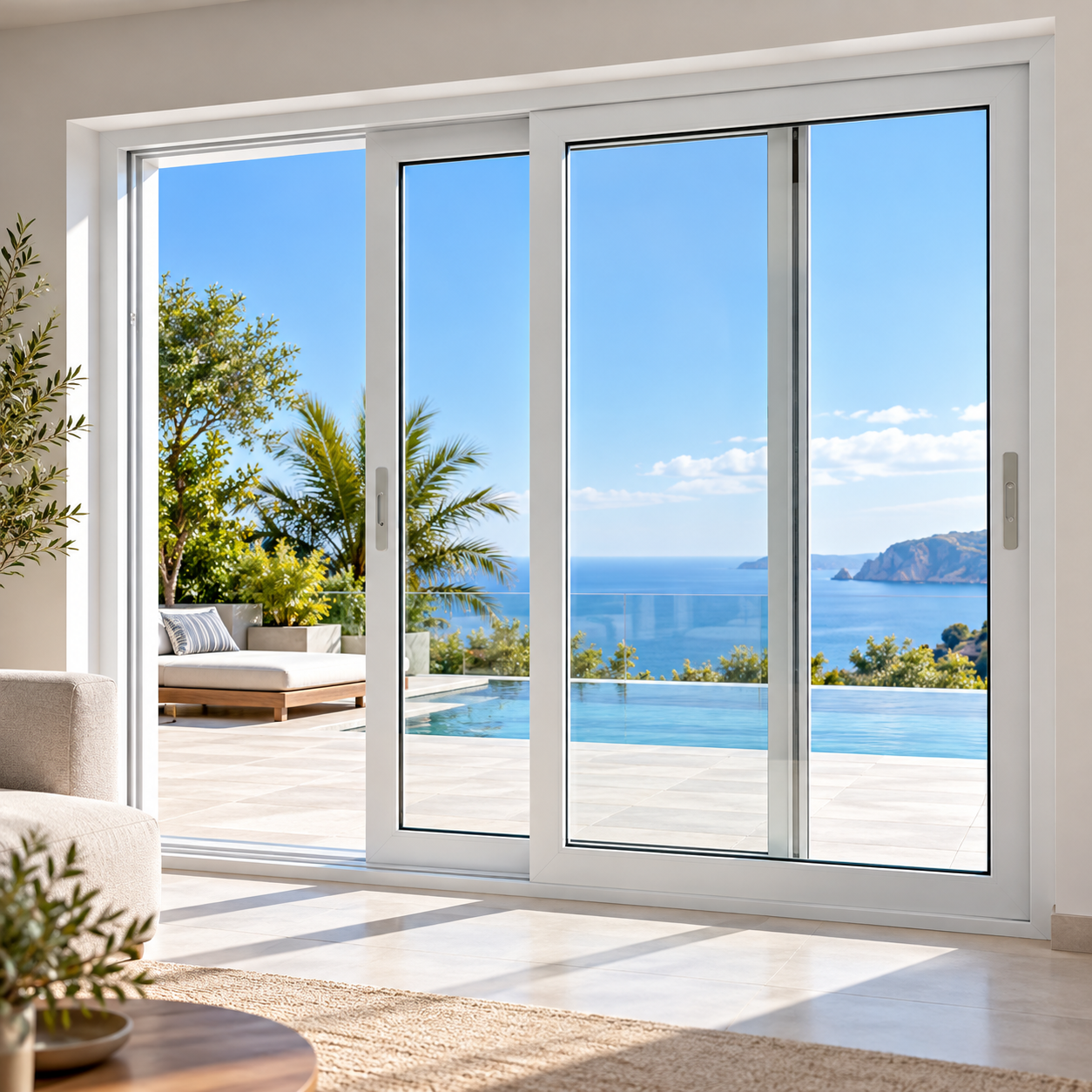
Double Glazed UPVC Windows and Doors for Improved Thermal Insulation and Indoor Comfort


Double-glazed UPVC windows and doors help improve thermal insulation through suitable glass and frame construction. Each insulated glass unit contains two panes separated by a sealed cavity. This cavity reduces heat transfer compared with comparable single glazing. Furthermore, multi-chamber UPVC profiles help limit heat movement through the frame. These features can support more stable indoor temperatures throughout the year. For example, houses in colder climates may benefit from reduced heat loss during winter. Meanwhile, homes in warmer regions can combine suitable glazing with solar-control features to manage unwanted heat gain. Proper weather seals also help limit drafts around operable windows and doors. However, actual energy performance depends on the complete product assembly. Glass specifications, frame design, air leakage, and installation all influence results. Therefore, buyers should compare verified whole-window and whole-door U-factor ratings. Energy-efficient PVC windows and doors offer practical insulation options for houses, villas, apartments, and residential renovations.
Low-E Insulated Vinyl Windows and Doors for Better Solar Control and Energy Performance


Low-E insulated vinyl windows and doors provide additional options for controlling heat transfer through residential glazing. Low-emissivity coatings reduce radiant heat movement while allowing visible daylight to enter. Furthermore, manufacturers can combine suitable Low-E glass with double-glazed insulating units. Different coatings serve different climate and building requirements. For example, cold-climate houses may benefit from glazing that limits indoor heat loss. Meanwhile, solar-control Low-E glass can reduce unwanted solar heat gain in warmer regions. Buyers can also explore compatible argon-filled insulating glass units for additional thermal performance. However, glass selection should reflect building orientation, local climate, and daylight preferences. Solar heat gain coefficient ratings help buyers compare how much solar energy enters through glazing. Visible transmittance ratings also indicate how much daylight passes through the glass. Therefore, architects should review these values alongside whole-product U-factor ratings. Custom UPVC windows and doors offer flexible glazing solutions for modern residential projects.
Durable Multi-Chamber PVC Windows and Doors with Weather Seals and Low-Maintenance Frames

Durable multi-chamber PVC windows and doors combine rigid UPVC profiles with suitable reinforcement, glazing, and weather-sealing components. The frame chambers contribute to thermal insulation while maintaining a practical residential design. Furthermore, UPVC resists moisture-related corrosion and does not require routine repainting. Compatible reinforcement helps support structural stability according to opening dimensions and glazing weight. Casement windows use suitable hinges and locking hardware for convenient ventilation. Meanwhile, sliding doors require compatible rollers and tracks for smooth horizontal movement. Weather seals help reduce unwanted air leakage when operable panels close correctly. However, different window and door styles require different sealing arrangements. Proper installation also plays an important role in weather performance. Therefore, buyers should review verified air leakage, water penetration, and structural ratings. Regular cleaning and hardware inspection help maintain functionality. Energy-efficient vinyl windows and doors provide practical durability for houses, villas, apartments, and residential building projects.
Custom Energy Efficient UPVC Windows and Doors for Villas, Apartments, and Wholesale Projects
Custom energy-efficient UPVC windows and doors help homeowners, builders, and developers meet different residential design requirements. Each building may need specific opening dimensions, glazing performance, and frame finishes. For example, luxury villas can combine black double-glazed casement windows with large sliding patio doors. Meanwhile, apartment developments may use coordinated white PVC windows and doors across multiple residential units. Buyers can select suitable window styles, door configurations, and insulated glass specifications. Furthermore, custom frame dimensions help accommodate architectural openings. Contractors can organize project requirements through detailed window and door schedules. These documents should identify quantities, opening directions, glass specifications, and preferred hardware. However, maximum dimensions depend on profile strength, reinforcement, glazing weight, and hardware capacity. Local regulations may also require specific thermal, structural, and safety glazing performance. Therefore, complete drawings and technical requirements help manufacturers prepare accurate quotations. Wholesale vinyl windows and doors support coordinated purchasing for residential construction projects.
Frequently Asked Questions (FAQ)
Q1: Are Double Glazed UPVC Windows and Doors More Energy Efficient Than Single Glazing?
Double-glazed UPVC windows and doors generally provide better thermal insulation than comparable single-glazed products. The sealed cavity between the glass panes helps reduce heat transfer. Furthermore, suitable UPVC frames and weather seals support overall efficiency. However, actual performance depends on the complete assembly, including glazing, frame construction, and installation. Buyers should compare verified whole-product U-factor ratings rather than relying on glass thickness alone.
Q2: What Is the Difference Between Standard Double Glazing and Low-E Double Glazing?
Standard double glazing uses two glass panes separated by a sealed insulating cavity. Low-E double glazing adds a low-emissivity coating that reduces radiant heat transfer. Furthermore, different Low-E coatings can support insulation or solar-control requirements. However, the best option depends on climate, building orientation, and daylight preferences. Buyers should compare U-factor, solar heat gain coefficient, and visible transmittance ratings before selecting glazing.
Q3: Can Energy Efficient PVC Windows and Doors Reduce Heating and Cooling Costs?
Energy-efficient PVC windows and doors can help reduce unwanted heat transfer and air leakage. As a result, they may lower heating or cooling demand compared with less efficient products. However, actual energy savings depend on climate, building insulation, window area, orientation, and installation quality. Heating and cooling systems also influence results. Buyers should use verified product performance data and building energy calculations when estimating potential savings.
Q4: Are Double Glazed Vinyl Windows and Doors Suitable for Both Hot and Cold Climates?
Yes. Double-glazed vinyl windows and doors can suit both hot and cold climates when buyers select appropriate glazing and frame systems. Cold-climate projects may prioritize lower U-factor ratings to reduce heat loss. Meanwhile, hot-climate buildings may benefit from solar-control Low-E glass with suitable solar heat gain coefficients. Furthermore, weather seals help limit unwanted air leakage. Buyers should also consider local wind, water resistance, and building code requirements.
Q5: How Do I Order Custom Energy Efficient UPVC PVC Vinyl Windows and Doors?
Start by preparing architectural drawings, opening dimensions, quantities, and preferred frame colors. Next, identify window styles, door configurations, glazing requirements, and target thermal performance ratings. Share the installation locations and delivery destination with the manufacturer. The supplier can then review profile compatibility, reinforcement, insulated glass specifications, and hardware capacity. Before ordering, confirm approved drawings, relevant performance reports, production lead times, protective packaging, shipping terms, and installation requirements.


Reviews
There are no reviews yet.