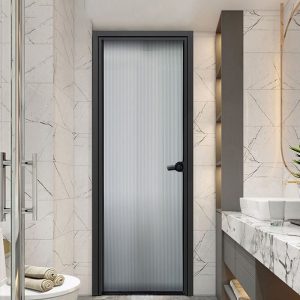
Choosing the right aluminum windows can greatly enhance your home’s aesthetics, functionality, and comfort. With numerous styles available, it can be challenging to decide which type best fits your needs. Two popular styles are bifold windows and hinge windows. This blog aims to clarify the distinct features and benefits of each to guide your decision-making process.

What Are Bifold Windows?
Bifold windows, also called Folding windows are a contemporary window design composed of multiple panels that fold back against themselves, similar to an accordion. They’re known for offering wide openings and creating seamless transitions between indoor and outdoor spaces.
What Are Hinge Windows?
Hinge windows, often referred to as casement windows, open via hinges affixed to the frame. They can be hinged at the side to swing open like a door or at the top like an awning. Known for their classic design, hinge windows work well in various architectural styles, providing excellent ventilation and unobstructed views.
Key Differences Between Bifold and Hinge Windows
Design and Opening Mechanism
Bifold Windows:
Feature multiple panels that fold and slide together.
Offer a large, uninterrupted opening, typically spanning the width of a room.
Ideal for creating a continuous flow between indoor spaces and patios or decks.
Hinge Windows:
Usually consist of a single pane that swings inwards or outwards on hinges.
Provide smaller openings compared to bifold windows.
Often used in pairs or groups to form bay windows or other configurations, enhancing design flexibility.
Space and Installation Requirements
Bifold Windows:
Require more lateral space to accommodate folding panels.
May necessitate structural considerations during installation, especially in replacing a wall section with these windows.
Hinge Windows:
Easily installed in most settings without needing to modify structural elements significantly.
Suitable for smaller spaces where a full wall opening isn’t feasible.
Ventilation and Light
Bifold Windows:
Offer maximum ventilation when fully opened.
Allow for abundant natural light, brightening the entire room.
Hinge Windows:
Provide excellent ventilation, particularly when angled to catch the breeze.
Allow for varied control of airflow by adjusting the angle of opening.
Aesthetic Appeal and Versatility
Bifold Windows:
Deliver a modern, sleek look.
Available in various materials and finishes to complement contemporary homes.
Hinge Windows:
Known for their classic charm and versatility to blend with both modern and traditional designs.
Offer numerous styles and finishes, enhancing the architectural integrity of a home.
Maintenance and Cost
Bifold Windows:
Typically higher in cost due to their complex design.
May require more maintenance, particularly in keeping tracks and hinges in good condition.
Hinge Windows:
Generally more affordable and easier to maintain.
Hinges need regular checks, but these windows don’t involve tracks or multiple moving parts like bifold windows.
Both bifold and hinge windows come with their own unique set of advantages. The decision between the two largely depends on your home’s architecture, space availability, and personal preference.
Choose bifold windows if you desire expansive views, seamless indoor-outdoor connections, and a modern aesthetic.
Opt for hinge windows if you prefer classic designs, have limited space, or need an affordable and easy-to-maintain option.
Ultimately, consider consulting with a window specialist to ensure your choice aligns with both your aesthetic preferences and practical needs. Making an informed decision will not only enhance your home’s beauty but also improve its functionality and energy efficiency.