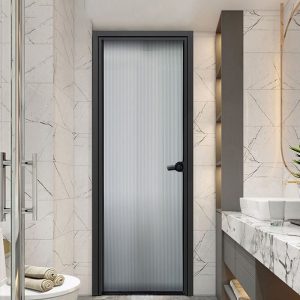
Folding glass doors have become a popular choice among homeowners and designers for their ability to maximize space, increase natural light, and create a seamless connection between indoor and outdoor areas. When selecting the right folding doors, two of the most common materials to choose from are uPVC (Unplasticized Polyvinyl Chloride) and aluminum. While both materials offer certain benefits, aluminum folding doors are frequently recognized as the superior choice for those prioritizing style, durability, and overall performance.
If you’re in the market for folding doors and trying to decide whether uPVC or aluminum is the way to go, this blog will break down the differences between the two and highlight why aluminum folding doors consistently outperform their uPVC counterparts.

Durability and Longevity
Aluminum Folding Doors: Built to Last
Aluminum is celebrated for its exceptional strength-to-weight ratio, meaning it’s lightweight yet incredibly durable. Aluminum folding doors can easily handle frequent use and exposure to extreme weather conditions without losing their structural integrity. Whether it’s rain, intense sun, or wind, aluminum doors remain resistant to warping, cracking, and corrosion.
One of aluminum’s standout features is its powder-coated finish, which acts as a protective layer against scratches, fading, and wear. As a result, aluminum folding doors can maintain their sleek look for decades while requiring minimal repairs or replacement. Homeowners can expect a lifespan of at least 20–30 years.
uPVC Folding Doors: Durable but Limited Lifespan
UPVC folding doors are reasonably durable for a short to medium term, as they resist rot and dampness. However, they are more prone to wear and tear than aluminum. Over time, uPVC can become brittle, especially when exposed to prolonged UV rays, fluctuating temperatures, or heavy impacts.
Cracking, discoloration, and distortion are common issues with uPVC doors, ultimately reducing their lifespan to around 10–15 years—half that of aluminum. Damaged uPVC frames often can’t be repaired, requiring full replacement when issues arise.
Winner: Aluminum folding doors, offering superior long-term durability and resilience to environmental damage.
Design and Aesthetic Appeal
Aluminum Folding Doors: Sleek and Versatile
Aluminum folding doors are a designer’s dream. The material’s strength allows for slimline frames, which maximize the amount of visible glass. This not only creates a contemporary look but also allows for more natural light and unobstructed views of the surroundings. Modern aluminum doors have a clean, minimalist design that appeals to both contemporary and traditional homeowners.
Aluminum is also highly versatile when it comes to customization. With access to a wide range of powder-coated colors, finishes, and textures, you can tailor the design to perfectly complement your home—whether you prefer metallic tones, matte finishes, or even woodgrain effects.
uPVC Folding Doors: Limited Design Options
While uPVC folding doors are available in basic finishes and colors, they tend to look less refined and more plasticky compared to aluminum. The frames are often bulkier, reducing glass space and blocking some of the natural light. For modern homeowners who value sleek, unobtrusive designs, uPVC may feel outdated or less premium.
uPVC also offers fewer customization options than aluminum, with limited choices in colors and finishes, making it harder to match unique design styles.
Winner: Aluminum folding doors, for their stylish, modern appearance and extensive customization options.
Energy Efficiency
Aluminum Folding Doors: Advanced Thermal Technology
While aluminum was once criticized for being a poor insulator, advancements in modern thermal break technology have addressed this concern. Aluminum folding doors now include thermal breaks—insulating barriers built into the frames that prevent heat transfer. This ensures aluminum frames remain energy efficient, keeping your home cool in summer and warm in winter.
Paired with double-glazing or triple-glazing, aluminum folding doors deliver impressive thermal and acoustic insulation, helping homeowners reduce energy bills while maintaining indoor comfort.
uPVC Folding Doors: Naturally Insulating
UPVC is naturally more insulating than untreated aluminum due to its plastic composition. However, as uPVC frames degrade or develop gaps over time, their thermal efficiency can dip. Meanwhile, modern aluminum with thermal breaks matches or even exceeds uPVC in energy efficiency, especially when paired with high-quality glass.
Winner: Aluminum folding doors with thermal breaks provide comparable or superior energy efficiency without compromising aesthetics or durability.
Maintenance Requirements
Aluminum Folding Doors: Low Maintenance Convenience
One of the key benefits of aluminum folding doors is their low maintenance requirements. The powder-coated surface protects aluminum from rust, corrosion, and fading, meaning the frames only need occasional cleaning with soap and water to maintain their appearance. You won’t have to worry about repainting or frequent repairs, making them an effort-free option for busy homeowners.
uPVC Folding Doors: Easy Maintenance but Shorter Lifespan
UPVC doors are also relatively low maintenance, as they don’t require painting or sealing and are resistant to rot. However, uPVC’s susceptibility to discoloration and brittleness means that maintaining their condition over the years can be challenging. Cracks or damage to uPVC doors typically require a full replacement, adding to their long-term maintenance concerns.
Winner: Aluminum folding doors, offering long-term low-maintenance care with no risk of brittleness or fading.
Value for Money
Aluminum Folding Doors: Long-Term Investment
While aluminum folding doors may have a higher upfront cost than uPVC, their long lifespan, superior durability, and low maintenance make them a better long-term investment. You’ll save money over time by avoiding expensive repairs, replacements, or frequent touch-ups. Additionally, their sleek design and extended functionality add significant value to your home.
uPVC Folding Doors: Lower Initial Cost, Higher Long-Term Costs
UPVC folding doors are often chosen for their lower upfront price, making them budget-friendly in the short term. However, their shorter lifespan and susceptibility to wear mean you may need to replace them more frequently—which can ultimately increase their total cost over time.
For homeowners focused on long-term value, aluminum is the better financial choice.
Winner: Aluminum folding doors, for their excellent durability and cost-effectiveness over time.
Sustainability
Aluminum Folding Doors: 100% Recyclable
Aluminum is one of the most sustainable building materials available today. It is 100% recyclable, and the recycling process preserves its original quality while requiring only 5% of the energy used to produce new material. The long lifespan of aluminum folding doors further contributes to its sustainability by reducing waste and the need for frequent replacements.
uPVC Folding Doors: Less Eco-Friendly
Although uPVC can be recycled, its production relies on plastic-based compounds that negatively impact the environment. Additionally, uPVC folding doors have shorter lifespans, leading to more frequent replacements and added waste over time.
Winner: Aluminum folding doors, for their environmentally friendly production and recyclable properties.
Why Aluminum Folding Doors Are the Superior Choice
When comparing uPVC and aluminum folding doors, it’s clear that aluminum outshines its competitor in nearly every key category. Aluminum folding doors offer unmatched durability, sleek aesthetics, long-term value, and sustainability, making them the ultimate choice for homeowners who want a stylish and functional space. While uPVC may appeal to those with tight budgets, its limitations in durability, design, and overall performance make it a less compelling option for those seeking quality and longevity.
Why Choose Aluminum Folding Doors?
1. Durability: Resistant to warping, cracking, and environmental wear.
2. Design: Sleek, contemporary frames with extensive customization options.
3. Energy Efficiency: Advanced thermal break technology for year-round insulation.
4. Low Maintenance: Effortless care with no risk of fading or corrosion.
5. Value for Money: Long-lasting performance without frequent replacements.
6. Sustainability: 100% recyclable and eco-friendly.