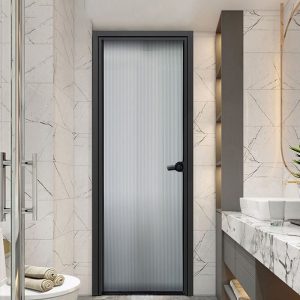
Sliding glass doors are an essential feature in modern homes, effortlessly connecting indoor spaces with the outdoors. Two of the most popular materials for sliding doors are vinyl and aluminum, each offering unique advantages. While vinyl is praised for its energy efficiency and affordability, aluminum is celebrated for its sleek design, durability, and strength. In this blog, we dive into a comprehensive comparison between these two materials, focusing on the benefits and advancements of aluminum sliding glass doors.

Vinyl vs. Aluminum Sliding Glass Doors
Durability
Aluminum Sliding Glass Doors:
Aluminum is a highly durable material that can withstand wear and tear, harsh weather conditions, and heavy use over time. It resists warping, cracking, and fading, making it an excellent choice for long-term applications. Aluminum’s toughness also ensures the structure can hold larger glass panes without compromising stability.
Vinyl Sliding Glass Doors:
Vinyl doors are durable but less robust than aluminum. While they resist warping and are weather-resistant, prolonged exposure to extreme heat may degrade their integrity. Aluminum has the edge in strength, especially for homeowners in areas prone to severe weather.
Aesthetics
Aluminum Sliding Glass Doors:
Aluminum doors are prized for their sleek, modern appearance. Their ability to feature thin, slimline profiles maximizes glass surface area, offering expansive views and natural light. Additionally, aluminum doors are highly versatile, with customizable finishes that include metallic, matte, and wood-grain textures.
Vinyl Sliding Glass Doors:
Vinyl doors have a simpler look and lack the premium finish of aluminum. While appealing for traditional homes, vinyl might feel less sophisticated in contemporary architecture.
Energy Efficiency
Aluminum Sliding Glass Doors:
Traditional aluminum is a conductor of heat, which can potentially impact energy efficiency. However, modern thermal break technology minimizes heat transfer by inserting a non-conductive material within the aluminum frame. This significantly boosts insulation performance and makes aluminum doors competitive in energy-saving designs.
Vinyl Sliding Glass Doors:
Vinyl is inherently more energy-efficient due to its insulation properties. It reduces heat transfer without requiring additional technology, making it a good choice for homeowners prioritizing efficiency without breaking the budget.
Maintenance
Aluminum Sliding Glass Doors:
Aluminum is easy to maintain and resistant to corrosion, especially when coated with anti-corrosion finishes. Routine cleaning is often sufficient to keep aluminum doors looking sleek and new, even in challenging environments like coastal areas.
Vinyl Sliding Glass Doors:
Vinyl doors are low-maintenance as well, but they are vulnerable to staining and some materials require periodic refinishing to maintain their appearance.
Strength and Security
Aluminum Sliding Glass Doors:
Aluminum’s strength and rigidity make it an ideal material for securing large glass panels. Combined with multi-point locking systems, modern aluminum doors provide enhanced safety, resisting tampering and increasing overall home security.
Vinyl Sliding Glass Doors:
Vinyl frames are softer than aluminum and may not offer the same level of strength or security, especially for larger doors. For homeowners looking for robust security features, aluminum is a better option.
Cost
Aluminum Sliding Glass Doors:
Aluminum is generally more expensive than vinyl, reflecting its premium quality, durability, and customization options. It’s a worthwhile investment for homes emphasizing contemporary design and long-lasting performance.
Vinyl Sliding Glass Doors:
Vinyl is an affordable alternative and offers good value for money, particularly for smaller installations or homeowners with budget constraints.
Why Choose Aluminum Sliding Glass Doors?
While both vinyl and aluminum sliding doors have their merits, aluminum tends to stand out for modern homes prioritizing durability, design sophistication, and security. Here are some key reasons to opt for aluminum sliding glass doors:
Modern Design with Slim Profiles
Aluminum frames allow for larger panels of uninterrupted glass, enhancing natural light and scenic views. Perfect for contemporary aesthetics.
Unmatched Strength
Aluminum can hold heavy glass panels with ease, making it perfect for grand sliding doors or multi-panel configurations.
Custom Finishes
With options ranging from metallic tones to wood-like textures, aluminum sliding doors can match a wide range of architectural styles.
Longevity and Weather Resistance
Aluminum frames resist rust, corrosion, and wear, which ensures minimal maintenance and a longer lifespan.
Advances in Energy Efficiency
Thanks to innovations like thermal break technology, aluminum doors now rival vinyl in energy performance.
Choosing between vinyl and aluminum sliding glass doors ultimately depends on your priorities. Vinyl is well-suited for budget-conscious homeowners seeking excellent insulation, while aluminum is the go-to option for those who value durability, modern design, and long-lasting performance.