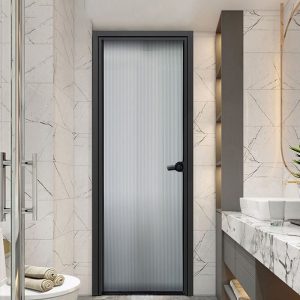
Aluminum-framed windows are a popular choice due to their modern style, strength, and durability. However, like any material, aluminum frames come with their own set of challenges. In this blog, we’ll discuss the disadvantages of aluminum-framed windows, focusing on the key points to help you determine if they’re the right choice for your space.

Poor Thermal Performance
One of the most significant drawbacks of aluminum frames is their poor thermal insulation. Aluminum is a highly conductive material, meaning it allows heat and cold to easily pass through the frame.
Energy Efficiency Issues: Without proper thermal breaks or insulation, aluminum windows can lead to higher energy costs due to heat loss in the winter and heat gain in the summer.
Uncomfortable Indoor Environment: Rooms with aluminum-framed windows can feel colder during winter and warmer during summer compared to other window materials like wood or vinyl.
Condensation and Moisture Issues
Aluminum frames are prone to condensation since metal surfaces are typically cooler to the touch than other materials. Excess condensation can result in moisture-related problems.
Condensation Build-Up: Water droplets can form on the aluminum frame in humid or cold conditions, which might drip onto window sills or walls.
Risk of Corrosion: If the aluminum frame doesn’t have a high-quality finish or protective coating, prolonged exposure to moisture can potentially lead to corrosion.
Higher Cost
While aluminum frames are relatively affordable compared to premium materials like wood, they can be more expensive than other alternatives, such as vinyl.
Initial Investment: For those on a tighter budget, the upfront cost of aluminum frames might be a deterrent.
Add-Ons Needed for Efficiency: To address the thermal inefficiency, homeowners may need to invest in additional features like thermal breaks or specialized glass, further increasing the cost.
Prone to Scratches and Dents
Although aluminum is durable and strong, it’s not entirely immune to physical damage like scratches or dents.
Susceptibility to Damage: Aluminum frames can get scratched or dented, especially if exposed to rough handling or impact.
Difficult Repairs: Unlike wood, which can be sanded and refinished, repairing damaged aluminum frames often requires professional assistance.
Industrial Appearance
While some individuals appreciate the sleek, modern aesthetic of aluminum frames, others find their industrial appearance less appealing for traditional or rustic interior designs.
Limited Warmth: Aluminum lacks the warm, natural look of wood, which may be better suited for certain architectural styles.
Color and Customization Options: Although aluminum frames can be powder-coated for color, customization options may still be more limited compared to alternatives like wood.
While aluminum-framed windows offer significant benefits, such as durability, low maintenance, and a modern look, the disadvantages need careful consideration. Poor energy efficiency, condensation issues, and potential physical damage can outweigh their benefits depending on your specific requirements. If you prioritize energy efficiency or a more traditional design, alternative materials like wood or vinyl might be a better choice.
When selecting sliding windows, always weigh the pros and cons to find the right balance for your needs, budget, and aesthetic preferences.