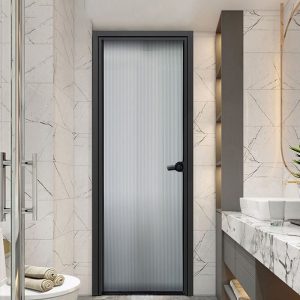
Choosing the right material for your doors is a crucial decision that impacts not just appearance but also durability, functionality, and long-term value. Casement glass doors—loved for their simple design and excellent functionality—are a popular choice for homes and commercial spaces. Whether used as an entryway, patio, or balcony door, the choice of material—aluminum, wood, or uPVC—plays a pivotal role in how well the door performs over time.
While wood brings a classic charm and uPVC caters to budget concerns, aluminum casement doors stand out as the superior option. With their incredible strength, modern aesthetics, and low-maintenance appeal, aluminum doors are a top choice for both residential and commercial applications. In this blog, we’ll explore why aluminum casement doors are better than their wood and uPVC counterparts.

What Are Casement Doors?
Casement doors are hinged doors that open outward or inward, much like traditional hinged windows. Their design enables smooth functionality, easy handling, and a timeless look that fits various architectural styles. Casement doors are ideal for exterior use, often found opening onto patios, balconies, or garden areas.
Strength and Durability
Aluminum Casement Doors: Unmatched Strength
Aluminum is widely known for its high strength-to-weight ratio, making it an incredibly durable and robust material for casement doors. It can support large glass panels without compromising the structural integrity of the frame. Unlike wood or uPVC, aluminum doesn’t warp, crack, or bend, even after decades of consistent use. It is resistant to impacts and general wear and tear, making it ideal for high-traffic areas.
Lifespan: Aluminum casement doors can last 20–30 years or more with little to no maintenance.
Wood Casement Doors: Prone to Damage
While wood has long been used as a building material due to its traditional elegance, it is far less durable than aluminum. Over time, wood is prone to warping, cracking, and swelling, especially in fluctuating weather conditions. Additionally, wood is susceptible to termites, rot, and decay. Even with regular maintenance, wooden frames require replacements far more frequently than aluminum.
Lifespan: Wooden doors typically last 10–15 years with constant upkeep.
uPVC Casement Doors: Not Built for Long-Term Durability
UPVC is a decent material for doors, especially for its affordability, but it lacks robustness. In the long term, uPVC doors tend to warp, fade, or become brittle when exposed to extreme temperatures or sunlight. Moreover, uPVC struggles to support large glass panels in casement designs, limiting its use in modern architectural applications where large openings are preferred.
Lifespan: uPVC doors last 10–20 years, but they are prone to structural degradation over time.
Verdict: Aluminum casement doors clearly outperform wood and uPVC when it comes to durability and strength, making them the ideal choice for longevity.
Weather Resistance
Aluminum Casement Doors: The All-Weather Champion
Aluminum is naturally weather-resistant, making it perfect for areas with extreme or fluctuating climates. Whether it’s heavy rain, high heat, strong winds, or freezing temperatures, aluminum casement doors retain their shape and functionality. They are also corrosion-resistant, especially when coated with powder finishes, which provide additional protection against moisture and salt-laden coastal air.
Aluminum won’t swell or warp due to humidity, ensuring smooth long-term operation in tropical, coastal, or wet regions.
Wood Casement Doors: Affected by Moisture
Wood struggles in humid and wet environments, leading to swelling, warping, and eventual rot. Without frequent sealing and weatherproofing, wooden casement doors quickly degrade when exposed to rain or high humidity. In addition to this, sunlight can cause the paint to fade, reducing their aesthetic appeal over time.
uPVC Casement Doors: Limited Climate Resistance
While uPVC is moisture-resistant, it struggles under extreme temperature fluctuations. Prolonged exposure to sunlight can cause uPVC to fade and discolor, while freezing temperatures can make the material brittle, leading to cracks. This limits its ability to perform well in harsh climates, particularly over extended periods.
Verdict: Aluminum casement doors are superior when it comes to weather resistance, outperforming both wood and uPVC in all climatic conditions.
Maintenance Requirements
Aluminum Casement Doors: Low-Maintenance Marvel
If you’re looking for a door that combines durability with convenience, aluminum casement doors require minimal upkeep. Thanks to their corrosion-resistant coatings and non-porous surface, aluminum doors only need occasional cleaning with soap and water to keep them in pristine condition. There’s no need for repainting, sealing, or staining—making them one of the easiest materials to care for.
Wood Casement Doors: High Maintenance
Wood requires constant attention. To maintain their appearance and functionality, wooden casement doors need regular sanding, sealing, staining, or painting to prevent rot and damage from environmental exposure. Neglecting these steps can cause rapid deterioration, leading to costly repairs or replacements.
uPVC Casement Doors: Moderate Maintenance
UPVC does not require painting or sealing and is generally easy to clean. However, over time, discoloration from sunlight or dirt can make uPVC doors appear old and worn. Additionally, damaged or brittle uPVC is difficult to repair, often requiring full replacement.
Verdict: Aluminum casement doors are the lowest-maintenance option by far, making them a hassle-free solution for busy homeowners or businesses.
Aesthetic Appeal
Aluminum Casement Doors: Sleek and Modern
Aluminum is the epitome of modern elegance. The material’s strength allows for slim, minimalist frames, making aluminum casement doors ideal for maximizing glass space and allowing natural light to flood into a room. Aluminum is highly customizable, offering a range of powder-coated finishes in various colors and textures, including matte, glossy, and even woodgrain finishes for those who prefer a traditional look.
The sleek design of aluminum casement doors complements contemporary, industrial, and even classic architectural styles.
Wood Casement Doors: Traditional and Natural
Wood is known for its natural aesthetic charm, making it a classic choice for traditional homes. However, wood tends to look bulky when compared to slim aluminum profiles. While beautiful when new, the appearance of wooden doors declines over time without proper maintenance.
uPVC Casement Doors: Basic and Limited
UPVC casement doors tend to have a plain, functional appearance, often available in limited colors like white or light brown. While they suit budget-conscious projects, they lack the high-end look that aluminum or even wood can provide. Over time, discoloration and fading also negatively impact the visual appeal of uPVC frames.
Verdict: Aluminum casement doors lead the way in aesthetic appeal, offering sleek, customizable designs for various architectural styles.
Energy Efficiency
Aluminum Casement Doors: Thermal Break Technology
Although older aluminum doors struggled with thermal efficiency, modern designs feature thermal breaks—insulated barriers within the frames that block heat transfer. When paired with double or triple-glazed glass, aluminum casement doors provide excellent energy efficiency, helping to keep your home cool in the summer and warm in the winter.
Wood Casement Doors: Naturally Insulating
Wood is a natural insulator and provides great energy efficiency. However, as wood ages or warps, it can develop gaps that compromise its insulation capabilities, reducing its effectiveness at maintaining indoor temperatures.
uPVC Casement Doors: Decent Insulation
UPVC is also a good insulator, helping to maintain energy efficiency. However, it lacks the strength of aluminum and can become less effective over time due to structural degradation or warping, which can create air leaks.
Verdict: Modern aluminum casement doors with thermal breaks offer superior energy efficiency, rivaling or exceeding wood and uPVC.
Sustainability
Aluminum Casement Doors: Fully Recyclable
Aluminum is one of the most sustainable materials available, as it is 100% recyclable. Recycling aluminum consumes only a fraction of the energy required for primary aluminum production, making it an eco-friendly choice for environmentally conscious homeowners. Additionally, aluminum’s long lifespan means fewer replacements and less waste over time.
Wood Casement Doors: Renewable But Resource-Intensive
Wood is a renewable resource, but frequent replacements and the need for chemical treatments reduce its environmental credentials. Logging and manufacturing also add to its carbon footprint over time.
uPVC Casement Doors: Questionable Sustainability
UPVC is derived from non-renewable petroleum-based resources, making it less sustainable. While it can technically be recycled, its shorter lifespan contributes to more production and waste generation.
Verdict: Aluminum casement doors are the most sustainable choice, combining longevity with recyclability.
Why Aluminum Casement Doors Reign Supreme
While all three materials have their unique features, aluminum casement doors consistently outperform wood and uPVC alternatives in terms of durability, aesthetics, low maintenance, and eco-friendliness. Whether you’re upgrading your home or outfitting a commercial space, aluminum doors provide the optimal balance of style, strength, and functionality.
Key Benefits of Aluminum Casement Doors
1. Unmatched Durability: Resistant to warping, rotting, and cracking for a lifespan of 20–30+ years.
2. All-Weather Performance: Withstands humidity, extreme temperatures, and coastal air without degradation.
3. Low Maintenance: Hassle-free care with occasional cleaning required.
4. Modern Aesthetic Appeal: Slim, sleek profiles with customizable finishes for contemporary designs.
5. Energy Efficiency: Advanced thermal break technology ensures excellent insulation.
6. Eco-Friendliness: Fully recyclable material with a low environmental impact.