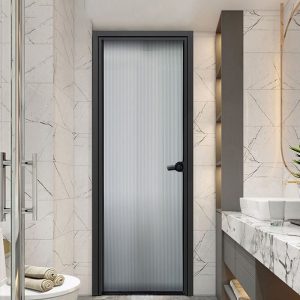
When it comes to choosing the perfect glass windows for your home, casement windows are an excellent design choice. Their hinged-opening mechanism allows for ideal ventilation, unobstructed views, and a modern aesthetic. However, the debate over the right material—aluminum, wood, or uPVC—is key to making the best decision for durability, style, and performance.
While wood offers a natural charm and uPVC satisfies budget constraints, aluminum casement windows consistently rise above the competition because of their unbeatable strength, weather resilience, sleek designs, and long-term value. In this blog, we’ll compare aluminum casement windows against wood and uPVC to uncover why they’re the ideal choice for homeowners and businesses alike.

Strength and Durability
Aluminum Casement Windows: The Toughest Contender
Aluminum is renowned for its incredible strength-to-weight ratio, making it one of the sturdiest materials for casement windows. This allows aluminum casement windows to support large glass panels and withstand heavy usage without bending, warping, or breaking.
Unlike wood, aluminum doesn’t degrade or rot over time. And unlike uPVC, it resists brittleness and cracking under pressure or temperature changes. Aluminum casement windows are built to last for decades, performing well even in high-traffic environments or demanding conditions.
Lifespan: Aluminum windows typically last 20–30 years or more with minimal maintenance.
Wood Casement Windows: Prone to Deterioration
Wooden casement windows evoke timeless elegance, but their structural durability is their biggest drawback. Wood tends to warp, swell, or crack over time when exposed to changing weather conditions. In damp or humid environments, wood is highly susceptible to rot, fungal growth, and pests, significantly reducing its lifespan unless meticulously maintained.
Lifespan: Wooden casement windows last 10–15 years on average unless constantly cared for.
uPVC Casement Windows: Sturdy But Not Strong Enough
UPVC (Unplasticized Polyvinyl Chloride) casement windows are a decent option for low-maintenance and affordability. However, they are nowhere near as strong as aluminum. Over time, exposure to UV rays or fluctuating temperatures can cause uPVC frames to become brittle, warp, or discolor. Additionally, uPVC lacks the structural integrity to support larger or heavier glass panes.
Lifespan: uPVC windows generally last around 10–20 years, depending on environmental factors.
Verdict: Aluminum casement windows are the most durable and long-lasting of the three materials. Both wood and uPVC require more frequent repairs and replacements.
Weather Resistance
Aluminum Casement Windows: Truly All-Weather
Aluminum is built for resilience against any weather condition. It’s non-corrosive, rust-free, moisture-resistant, and maintains its structural stability regardless of heat, rain, heavy winds, or freezing temperatures. Aluminum frames remain unaffected by humidity and do not expand or contract with temperature fluctuations, ensuring your casement windows stay functional year-round.
Modern powder-coating technology further enhances aluminum’s weather resistance, protecting against fading, scratches, or extreme sun exposure, making aluminum windows perfect even for coastal regions with salty air.
Wood Casement Windows: Sensitive to Weather Conditions
Wood struggles to handle harsh environmental factors. Humidity often causes wood to swell, warp, or rot, while dry conditions can lead to cracks. Without routine sanding, sealing, and weatherproofing, wooden casement windows will quickly deteriorate in rainy or humid climates.
uPVC Casement Windows: Limited Weather Resistance
UPVC casement windows are water-resistant, but prolonged UV exposure can cause discoloration or weakening of the material. In colder climates, uPVC becomes prone to brittleness and cracking, which compromises its structural integrity. While they handle moderate climates fairly well, uPVC windows lack aluminum’s ability to perform consistently in extreme weather conditions.
Verdict: Aluminum casement windows outperform both wood and uPVC in all climates, thanks to their superior resistance to rust, moisture, and temperature shifts.
Maintenance Requirements
Aluminum Casement Windows: Low-Maintenance Champion
One of the major advantages of aluminum casement windows is their minimal maintenance. Aside from occasional cleaning with soap and water, aluminum requires no additional care to maintain its integrity, color, or functionality. With its non-corrosive nature and protective powder-coating, you can enjoy hassle-free upkeep without worrying about rust or external damage.
Wood Casement Windows: High Maintenance
Wooden casement windows demand a considerable amount of upkeep to keep them in good condition. Sealing, sanding, and painting are regular tasks required to protect them from moisture, pests, and general wear and tear. If neglected, wood quickly deteriorates, leading to rot, fading, and structural issues.
uPVC Casement Windows: Moderate Maintenance
While uPVC requires less maintenance than wood, it still has its limitations. Over time, dirt and grime can accumulate on uPVC windows, causing discoloration that can be difficult to restore. If the frames become brittle or crack, they typically need to be replaced altogether, as repairs can be costly and unreliable.
Verdict: Aluminum casement windows offer the lowest maintenance demands, saving time and effort in the long run.
Aesthetic Appeal
Aluminum Casement Windows: Minimalist and Versatile
Aluminum casement windows stand out with their sleek, slimline frames that complement modern architectural trends. Their slim profiles allow for larger glass areas, offering more natural light and expansive views. Aluminum frames are highly customizable, available in a variety of powder-coated colors, finishes, and even woodgrain textures for those who love traditional aesthetics.
Whether you’re designing a contemporary home or a commercial building, aluminum casement windows offer the perfect blend of style and functionality.
Wood Casement Windows: Warm and Traditional Charm
Wooden casement windows add a touch of natural beauty to any space and are often chosen for traditional or rustic designs. However, wooden frames tend to look bulky due to the need for thicker profiles for structural stability, which minimizes the glass area. Additionally, wood’s appearance can quickly degrade without regular refinishing.
uPVC Casement Windows: Plain and Limited
UPVC casement windows are available in a limited range of styles and colors, but they lack the premium, high-end look of aluminum or the natural warmth of wood. Their bulkier frames also hinder visibility compared to aluminum’s slimmer profiles.
Verdict: Aluminum casement windows strike the perfect balance between sleek modern aesthetics and versatile customizability. While wood offers charm, it is impractical for contemporary designs, and uPVC tends to look basic compared to aluminum.
Eco-Friendliness and Sustainability
Aluminum Casement Windows: Recyclable and Long-Lasting
Aluminum is one of the most sustainable materials available. It is 100% recyclable, and recycling aluminum uses only a small fraction of the energy required to produce new aluminum. Its long lifespan also reduces waste compared to more disposable materials like wood and uPVC.
Wood Casement Windows: Renewable But Resource-Intensive
Wood is often regarded as a renewable material, but it requires a significant amount of resource-intensive treatments to resist decay and maintain durability. Additionally, frequent replacements and maintenance contribute to its carbon footprint over time.
uPVC Casement Windows: Plastic-Based and Less Sustainable
While uPVC can technically be recycled, it is derived from non-renewable petroleum-based resources, making it less eco-friendly than aluminum or untreated wood. Its shorter lifespan also contributes to increased material waste.
Verdict: Aluminum casement windows are the most sustainable option, as they are fully recyclable and have a long lifecycle that minimizes waste.
Why Aluminum Casement Windows Are the Best Choice
When it comes to choosing between aluminum, wood, and uPVC options, aluminum casement windows stand out in every major category. They combine strength, weather resistance, low maintenance requirements, modern aesthetics, and eco-friendliness—making them the clear winner for both residential and commercial applications.
Key Benefits of Aluminum Casement Windows
1. Unmatched Durability: Resistant to warping, rotting, and wear, lasting 20–30+ years.
2. All-Weather Performance: Handles extreme climates, from humidity to freezing temperatures.
3. Low Maintenance: Requires minimal care, with no repainting or refinishing needed.
4. Stylish and Sleek: Slim frames and customizable finishes to suit any architecture.
5. Sustainable and Eco-Friendly: Fully recyclable with a low environmental impact.
6. Cost-Effective: Delivers excellent long-term value with fewer replacements and repairs.
Upgrade your home or business space with aluminum casement windows—a durable, stylish, and sustainable investment built to last a lifetime. Say goodbye to high maintenance and hello to sleek, functional windows that provide endless benefits!