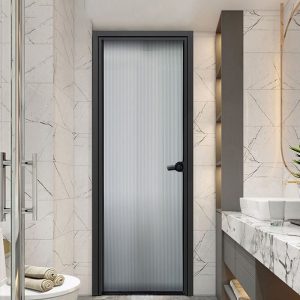
Choosing the right material for your entrance door is a pivotal decision. Not only does your front door welcome visitors, but it also provides your home with security, insulation, and charm. Among the range of materials available, aluminum, wood, and uPVC are three of the most popular options—but aluminum doors stand out as the superior choice in terms of style, durability, and longevity.
In this blog, we’ll delve into a comparison of aluminum, wood, and uPVC doors across the key factors that matter to homeowners. By the end, you’ll see why aluminum entrance doors outshine the competition.

Strength and Durability
Aluminum Entrance Doors
Aluminum is celebrated for its unmatched strength and durability. Its lightweight yet robust construction makes it ideal for entrance doors that endure frequent use and must resist wear and tear over time. Aluminum is also naturally resistant to rust, corrosion, and warping, ensuring that it can stand up to extreme weather conditions, whether it be heavy rain, intense sunlight, or fluctuating temperatures.
Why it wins: Aluminum doors can last for decades without compromising structural integrity, making them a reliable and long-term option for any home.
Wooden Doors
Wooden doors are strong and durable when made from hardwood materials like oak or mahogany. However, their susceptibility to moisture damage, warping, rot, and termite infestations makes them less suitable for long-term durability. Regular maintenance, such as sealing and refinishing, is required to keep wooden doors functional and looking good.
The downside: Without consistent upkeep, wood can crack, swell, or lose its strength over time.
UPVC Doors
UPVC doors are moisture-resistant, so they won’t rot like wood. However, UPVC lacks the structural strength of aluminum. Over time, prolonged exposure to sunlight can cause uPVC to become brittle, fade, and even crack, reducing its lifespan.
The compromise: While decent for short-term use, uPVC doesn’t provide the same level of durability as aluminum.
Aesthetic Appeal and Customization
Aluminum Entrance Doors
Aluminum doors are known for their sleek, modern aesthetic. The material’s exceptional strength allows for slim profiles and larger glass panels, making them an excellent choice for contemporary homes. Aluminum doors can also be powder-coated in virtually any color or finish, including textured or metallic finishes, allowing homeowners to match or contrast their exterior design.
Top advantage: Aluminum offers versatility—whether you want a bold, modern design or a timeless classic look, aluminum can deliver.
Wooden Doors
Wooden doors are a favorite for those who prefer traditional or rustic aesthetics. The natural grains and textures of wood bring warmth and charm to any home. While undoubtedly beautiful, customization is limited to stains, paints, and carving patterns—and these designs require frequent upkeep to maintain their appearance.
The limitation: If not properly maintained, wood can lose its natural beauty, and its color may fade over time.
UPVC Doors
UPVC doors are available in several colors and finishes, but their overall appearance tends to be less refined compared to aluminum or wood. The plastic-like finish of uPVC is functional but often lacks the premium feel many homeowners desire.
Verdict: UPVC doors are more basic in appearance and limited in customization.
Energy Efficiency
Aluminum Entrance Doors
Aluminum doors lead in energy efficiency when paired with modern thermal break technology. Thermal breaks create an insulated barrier in the aluminum frame that prevents heat transfer, helping to keep your home warm in the winter and cool in the summer. Combined with double or triple glazing, aluminum frames offer excellent thermal performance.
The win: Aluminum doors not only reduce energy bills but also make homes more comfortable year-round.
Wooden Doors
Wooden doors are naturally insulating due to the density of the material. They provide good thermal performance initially, but their insulating properties can decline over time if the wood warps or cracks. Additionally, gaps caused by shrinking wood can allow energy to escape.
The risk: Decreased efficiency over time due to natural aging or poor maintenance.
UPVC Doors
UPVC doors are known for their insulation properties, especially when new. However, as the seals around the doors wear out or deteriorate, they can become less effective at keeping out drafts and retaining heat.
Shortfall: UPVC’s thermal efficiency isn’t as consistent or reliable long-term compared to aluminum.
Security
Aluminum Entrance Doors
Aluminum entrance doors offer superb strength and security. The material is extremely hard to break or bend, providing excellent resistance to forced entry. Aluminum doors also incorporate advanced locking mechanisms, such as multi-point locks, which add an additional layer of protection to your home.
Peace of mind: If safety is a top priority, aluminum is the way to go.
Wooden Doors
Wooden doors are heavy and offer good security, especially when made from solid hardwood. However, as wood deteriorates over time due to weather or pests, it may lose its structural integrity, potentially making it less secure.
Potential issue: Weather damage or warping can weaken wood’s strength.
UPVC Doors
UPVC doors are generally weaker than aluminum or wood and more vulnerable to forced entry. While some models come with reinforcement or internal steel cores, the material itself doesn’t offer the robustness of aluminum.
Bottom line: UPVC doesn’t provide the same level of trusted security.
Maintenance
Aluminum Entrance Doors
Aluminum doors are incredibly low-maintenance. They don’t rust, crack, or warp, and their powder-coated surfaces resist scratches and discoloration. All they require is an occasional cleaning with mild soap and water to keep them looking as good as new.
The perk: Minimal effort and no costly upkeep.
Wooden Doors
Wood requires significant maintenance to protect it from moisture, sunlight, and pests. Scratches, fading, and cracking are common issues with wooden doors, which means sanding, painting, or resealing will be necessary to maintain their look and functionality.
Downside: High maintenance requirements add to the overall cost of ownership.
UPVC Doors
UPVC doors are lower-maintenance than wood, but they do degrade over time. Sunlight can cause discoloration, and the material may become brittle, requiring repair or eventual replacement.
Drawback: Less durable, leading to more maintenance over the product’s lifespan.
Environmental Sustainability
Aluminum Entrance Doors
Aluminum is 100% recyclable, meaning it can be reused countless times without losing quality. Many aluminum products are made from recycled materials, making it one of the most eco-friendly options available in terms of sustainability.
Eco advantage: Aluminum doors support a circular economy while offering unmatched longevity.
Wooden Doors
Wood is renewable, but its sustainability depends on sourcing. If it’s obtained from unsustainable logging practices, it can contribute to deforestation, negatively impacting ecosystems.
Sustainability factor: Must ensure wood is FSC-certified to be eco-friendly.
UPVC Doors
Made from non-renewable petrochemicals, uPVC has a larger environmental footprint. While it can sometimes be recycled, many uPVC products end up in landfills, where they aren’t biodegradable.
Environmental concern: UPVC is less environmentally friendly compared to aluminum.
Long-Term Value
Aluminum Entrance Doors
While the initial cost of aluminum doors may be higher than both wood and uPVC options, they deliver unmatched long-term value. With their durability, low maintenance, and energy efficiency, aluminum doors save homeowners money on repairs, replacements, and utilities.
Smart investment: Aluminum doors retain their value while enhancing your home’s overall appeal.
Wooden Doors
Wooden doors offer classic beauty but come with high maintenance costs and a shorter lifespan, making them a more expensive option in the long run when considering upkeep.
Hidden cost: Maintenance requirements can add up over time.
UPVC Doors
UPVC doors are budget-friendly upfront, but their limited durability and security mean they may not last as long as aluminum. Replacement costs can add up, reducing their long-term value.
Affordable, but short-lived: A cost-effective option for a quick fix, but less rewarding long-term.
Aluminum Doors Outshine Wood and UPVC
When comparing aluminum, wooden, and uPVC entrance doors across factors like durability, aesthetics, energy efficiency, security, and long-term value, aluminum doors emerge as the clear winner. They deliver a seamless blend of modern elegance, robust performance, and minimal maintenance, making them the perfect choice for homeowners who prioritize style, functionality, and long-lasting value.
Why Aluminum Doors Are the Best Choice:
Sleek, customizable design that fits any style.
Superior durability, able to withstand extreme weather and wear.
Advanced thermal efficiency with modern insulation technology.
Low-maintenance and eco-friendly design.
Top-notch security features for peace of mind.
Long-term savings that justify the initial investment.
Elevate your home’s entrance with an aluminum door that combines form and function in the perfect package—and leave wood and uPVC in the past!