
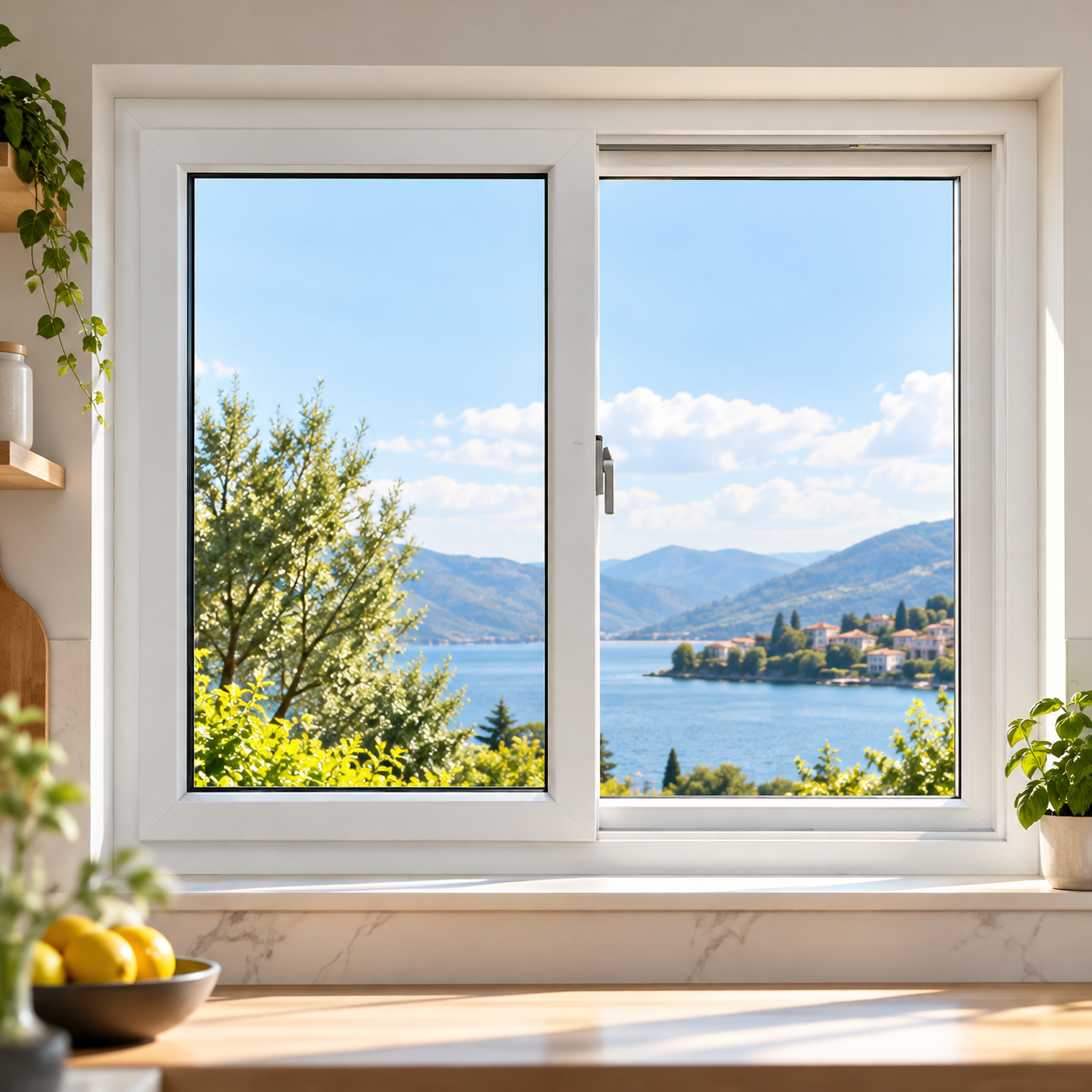
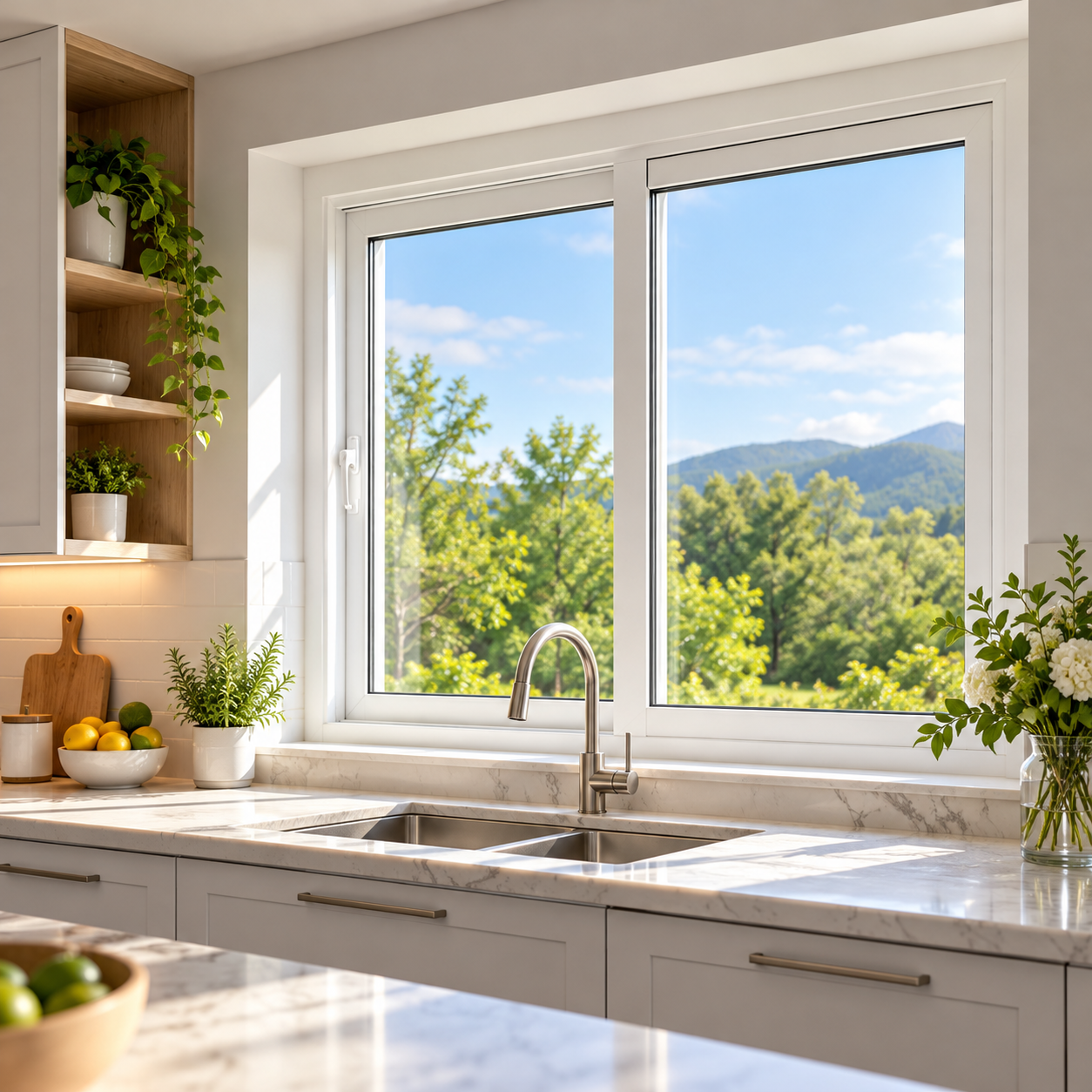
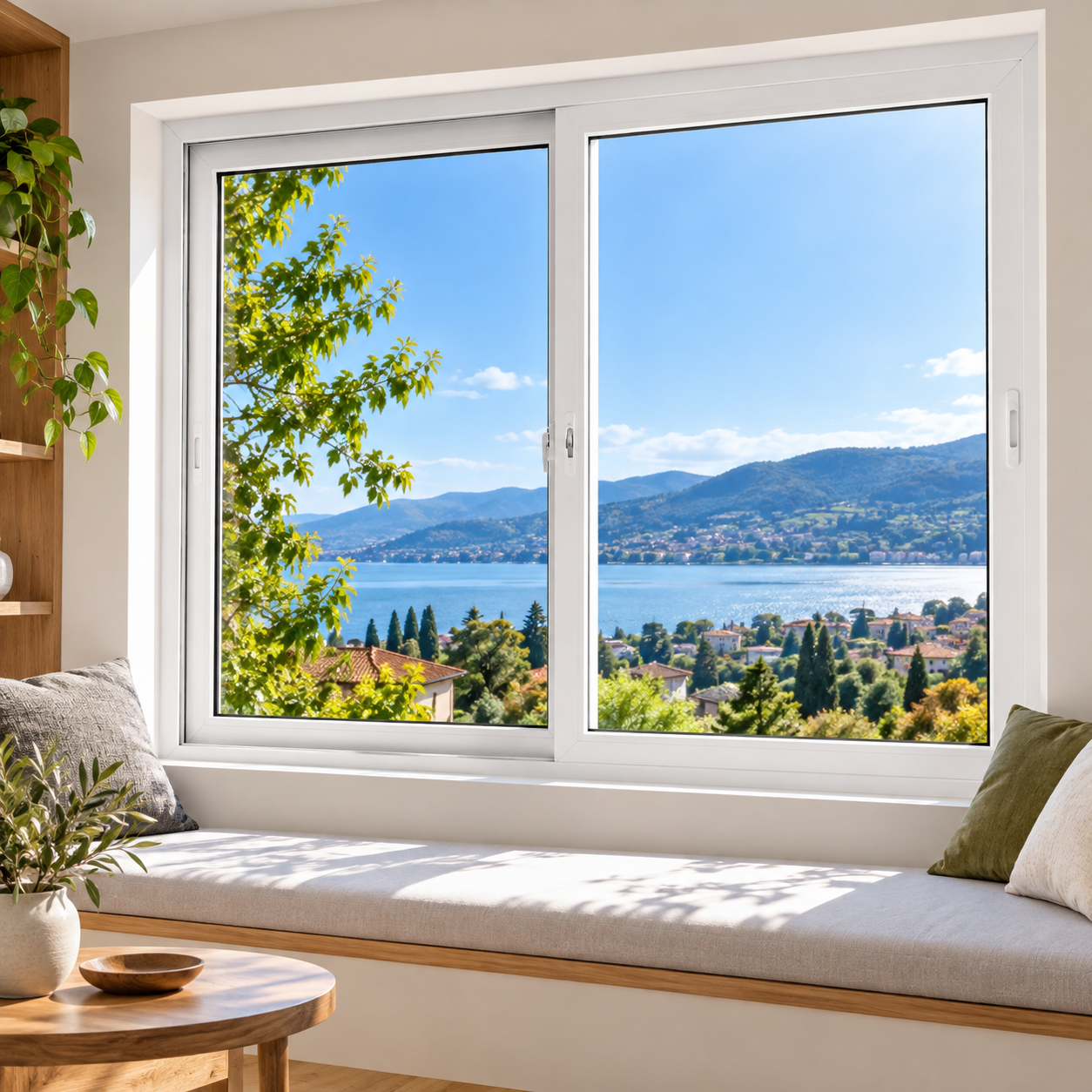
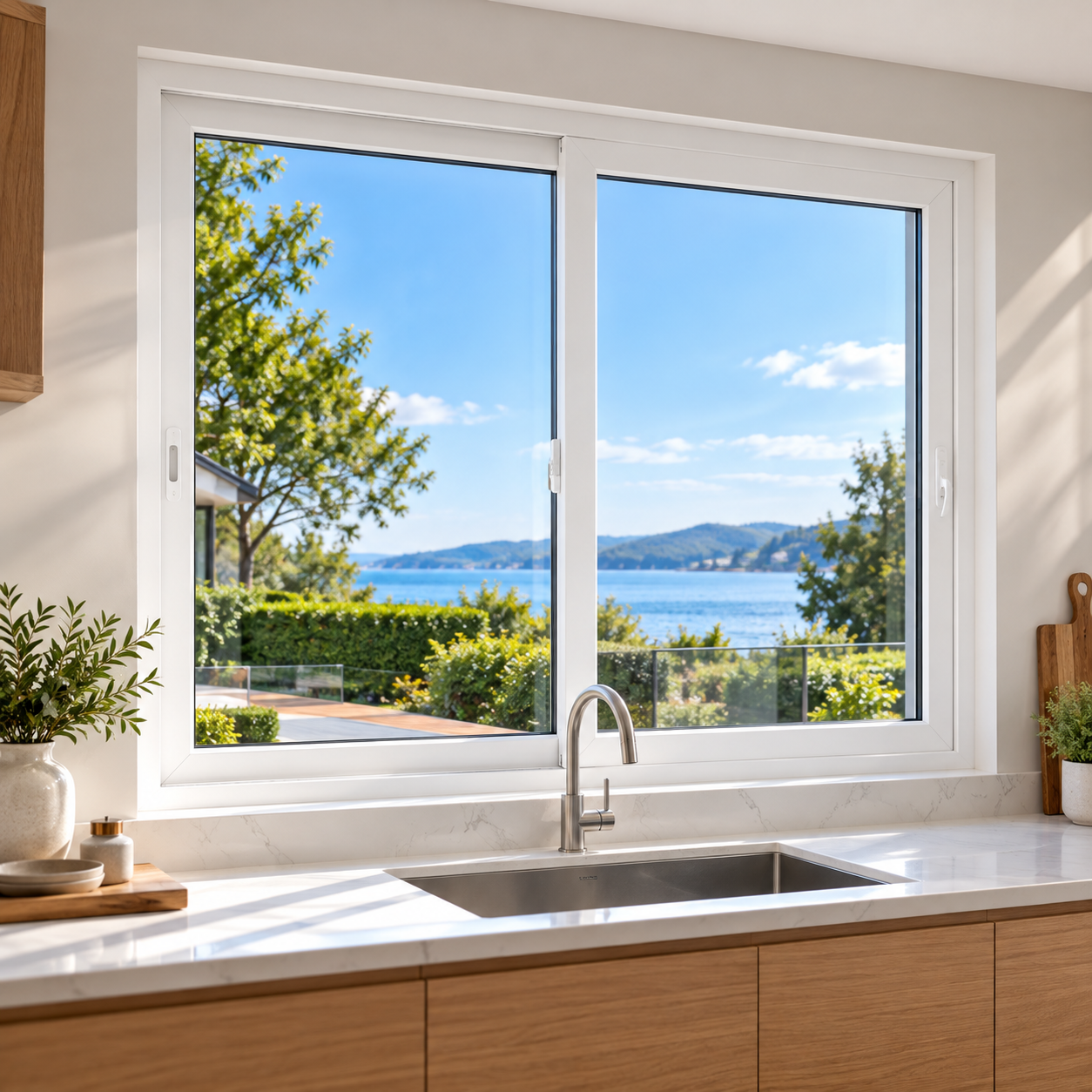
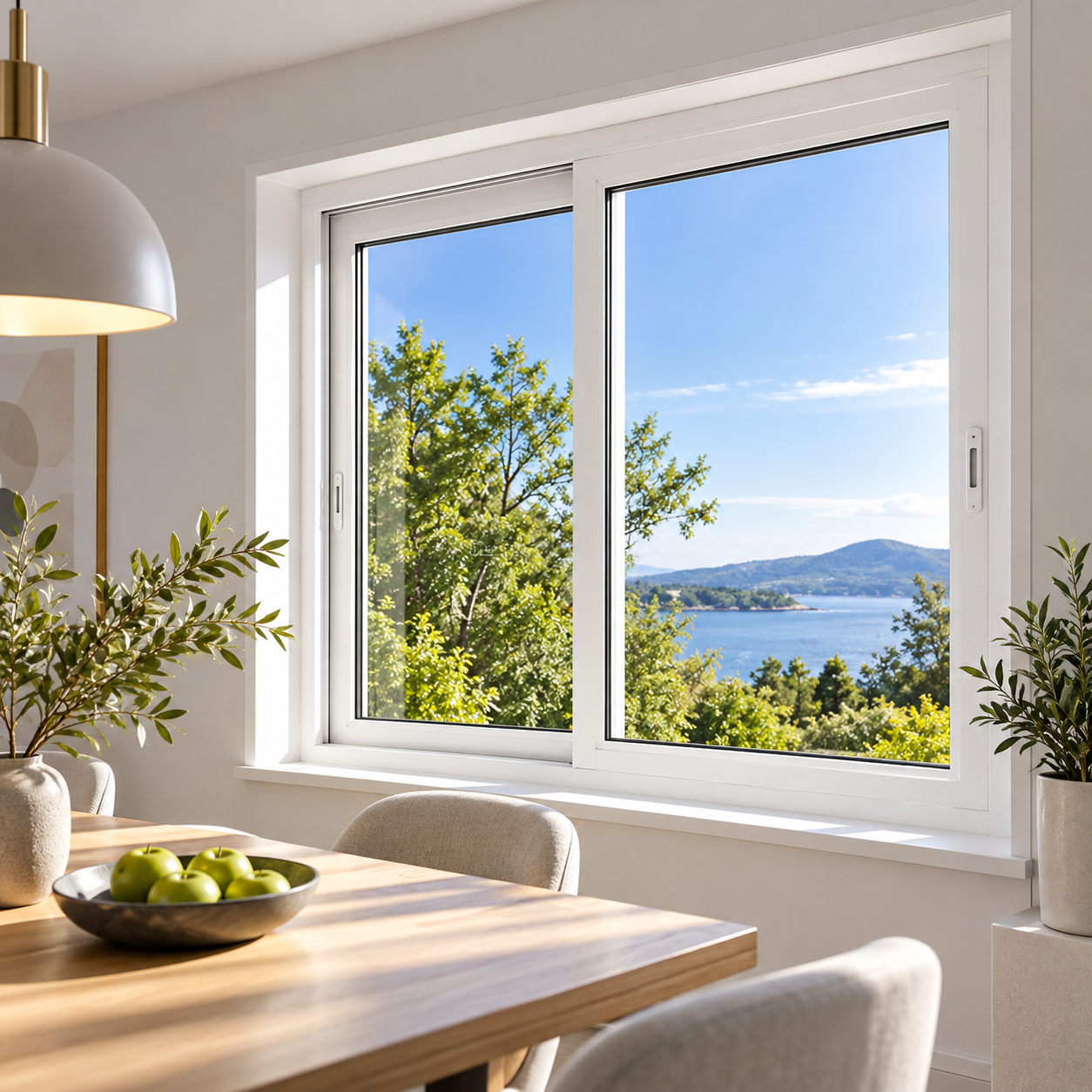
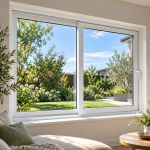
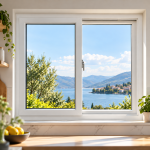
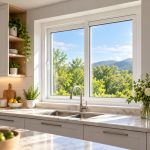
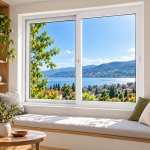
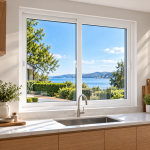
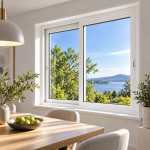
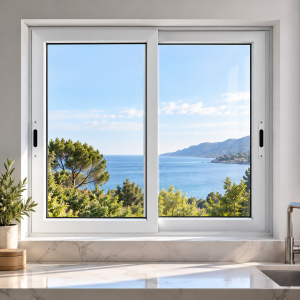
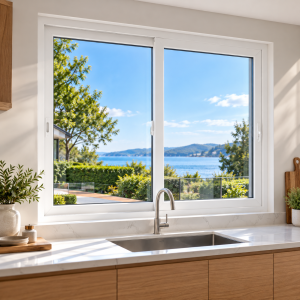
Improve indoor comfort with energy-efficient UPVC sliding windows featuring double-glazed insulated glass and modern frame designs. These PVC and vinyl windows combine horizontal sliding operation with customizable dimensions and glazing options. Double glazing helps reduce heat transfer, while multi-chamber UPVC profiles support thermal insulation. In addition, optional Low-E glass can improve energy performance by controlling radiant heat movement. Choose white, black, gray, or other available frame finishes to complement modern houses, villas, and apartments. Suitable rollers, locking hardware, and weather seals support convenient everyday operation. Large glass panels also provide natural daylight without requiring additional swing clearance. Whether you are renovating a home or sourcing windows for residential construction, our customizable sliding window solutions offer practical options for thermal comfort, ventilation, and contemporary architectural design.
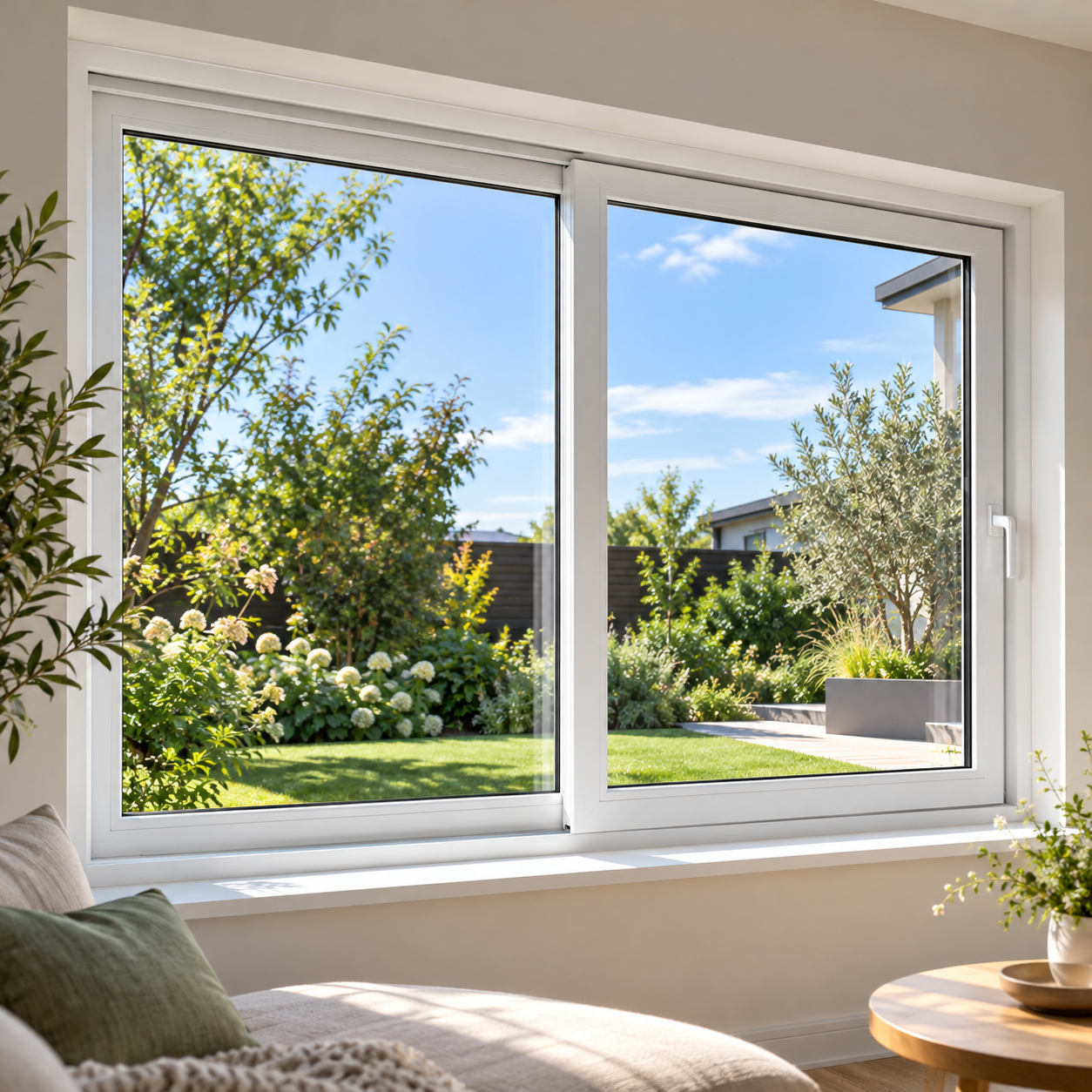
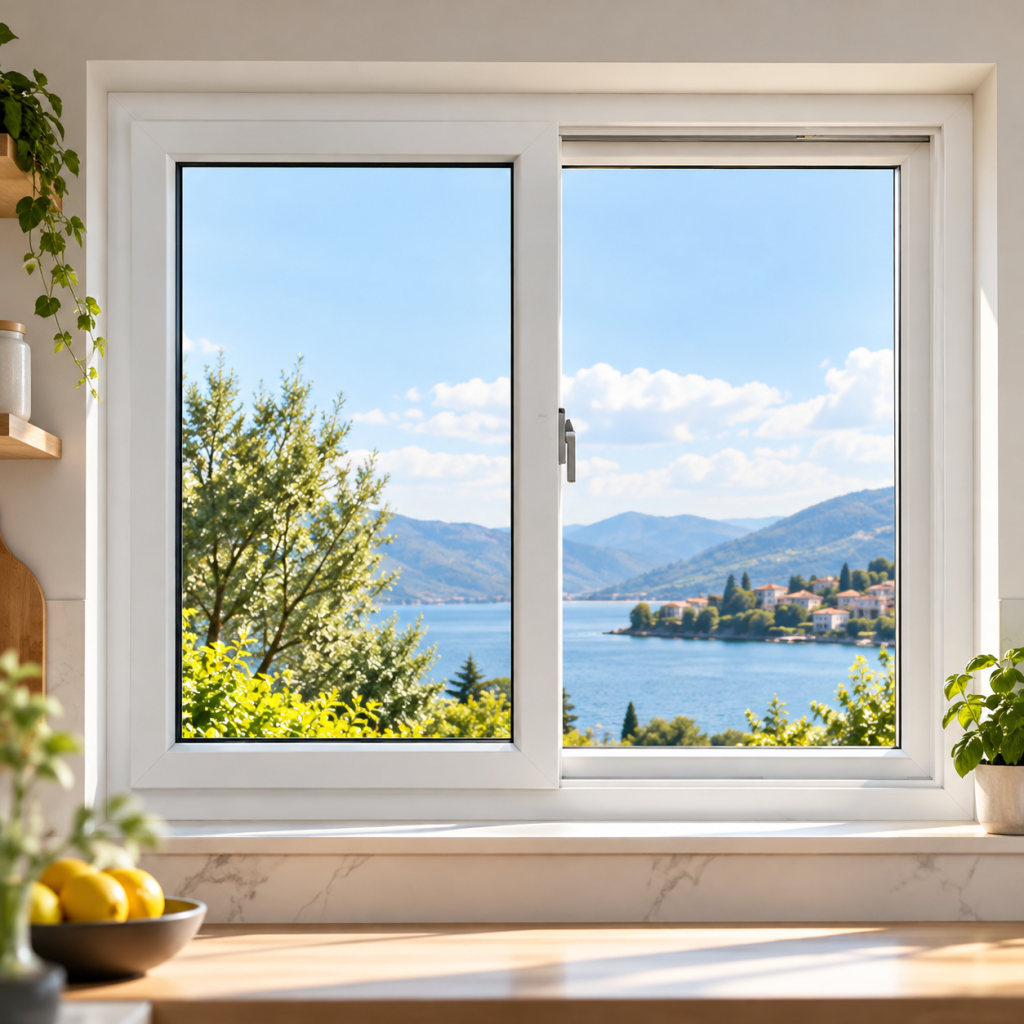
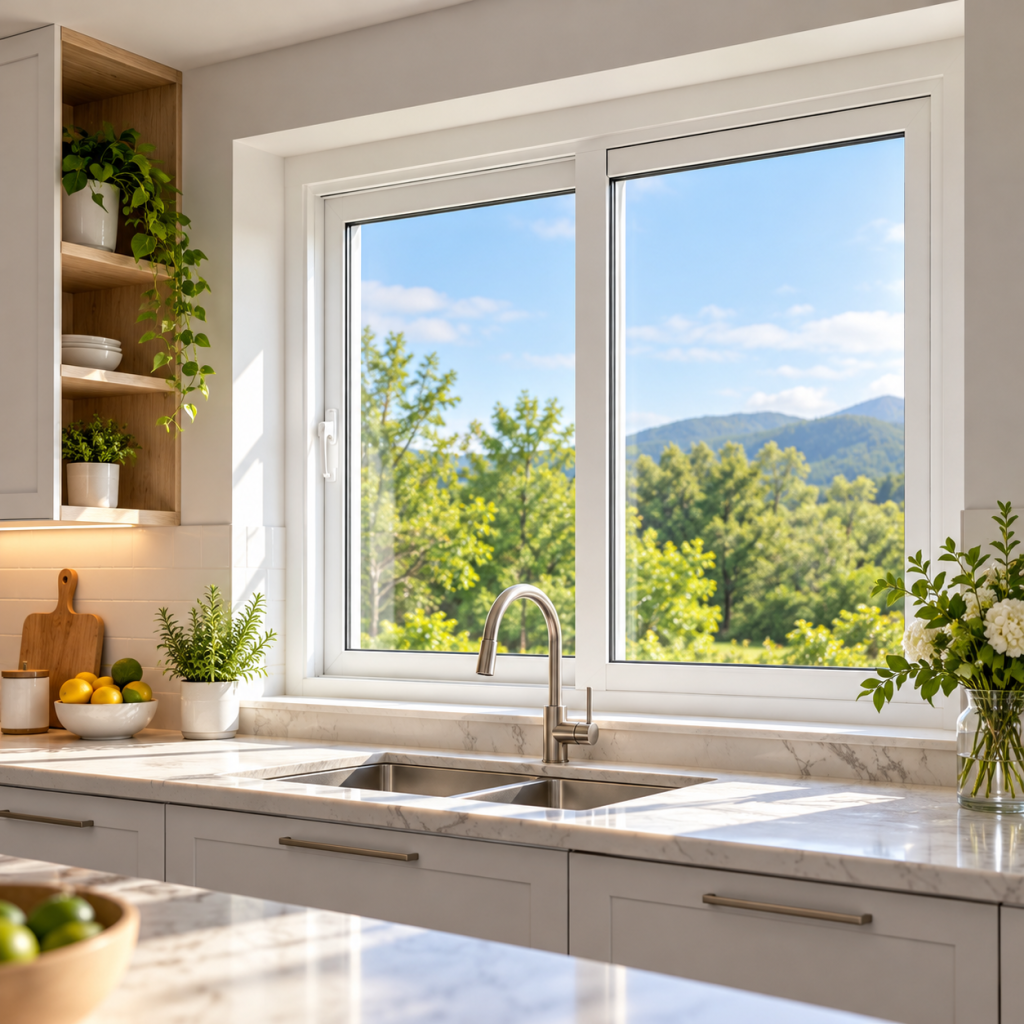
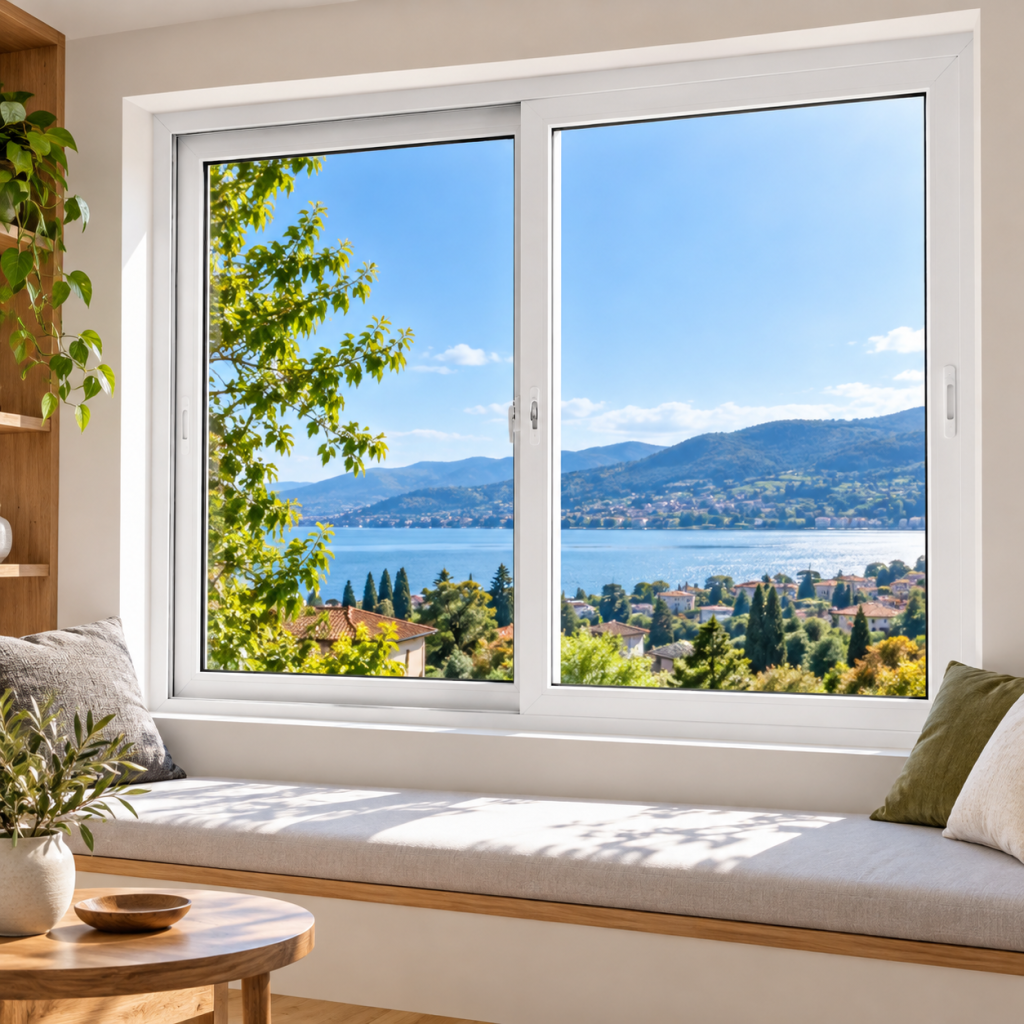
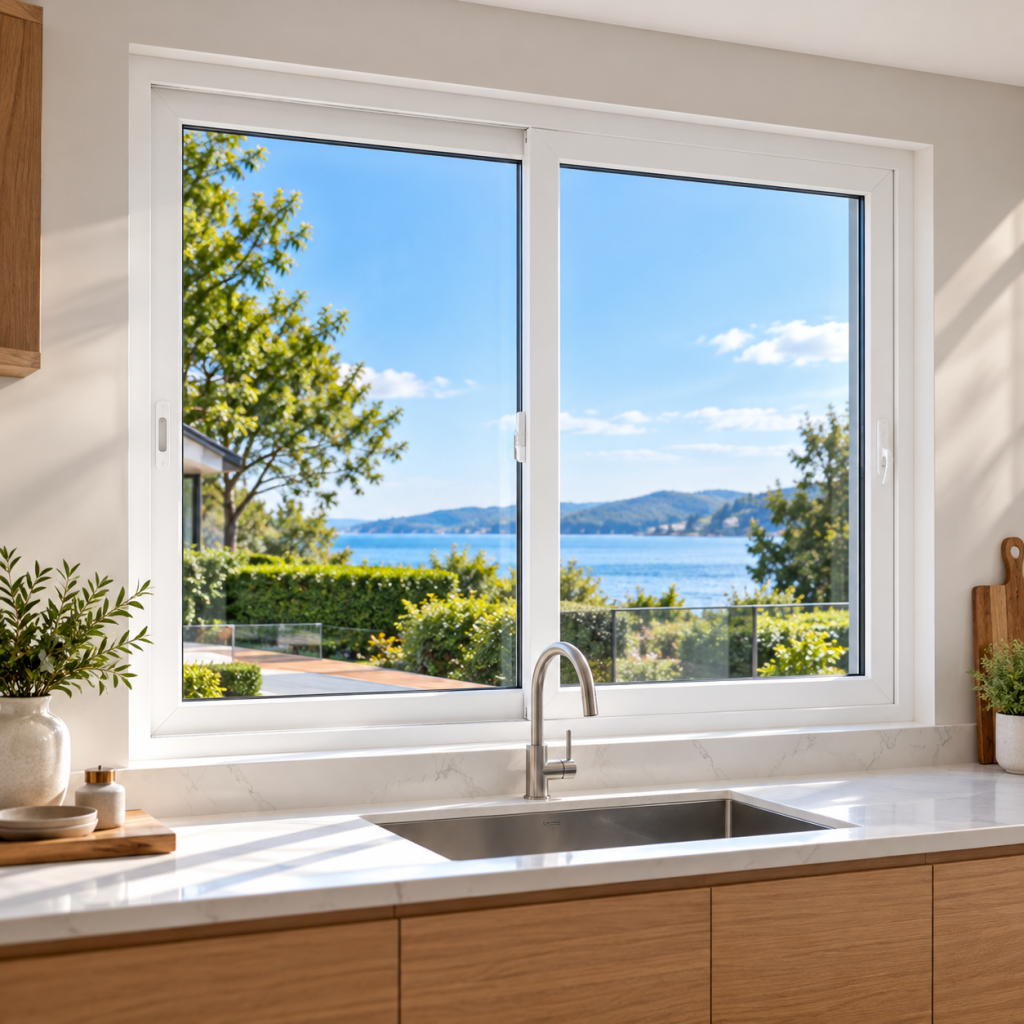
Double Glazed UPVC Sliding Windows for Improved Thermal Insulation
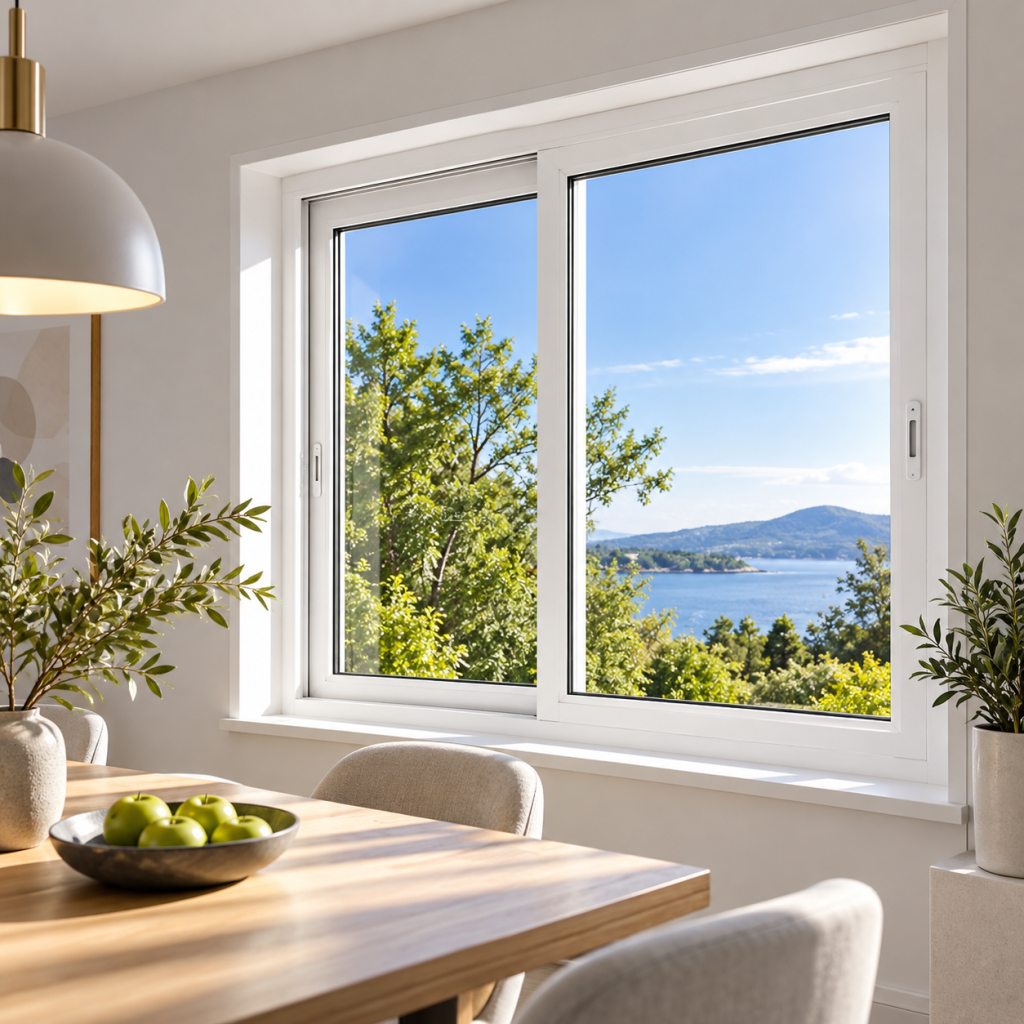
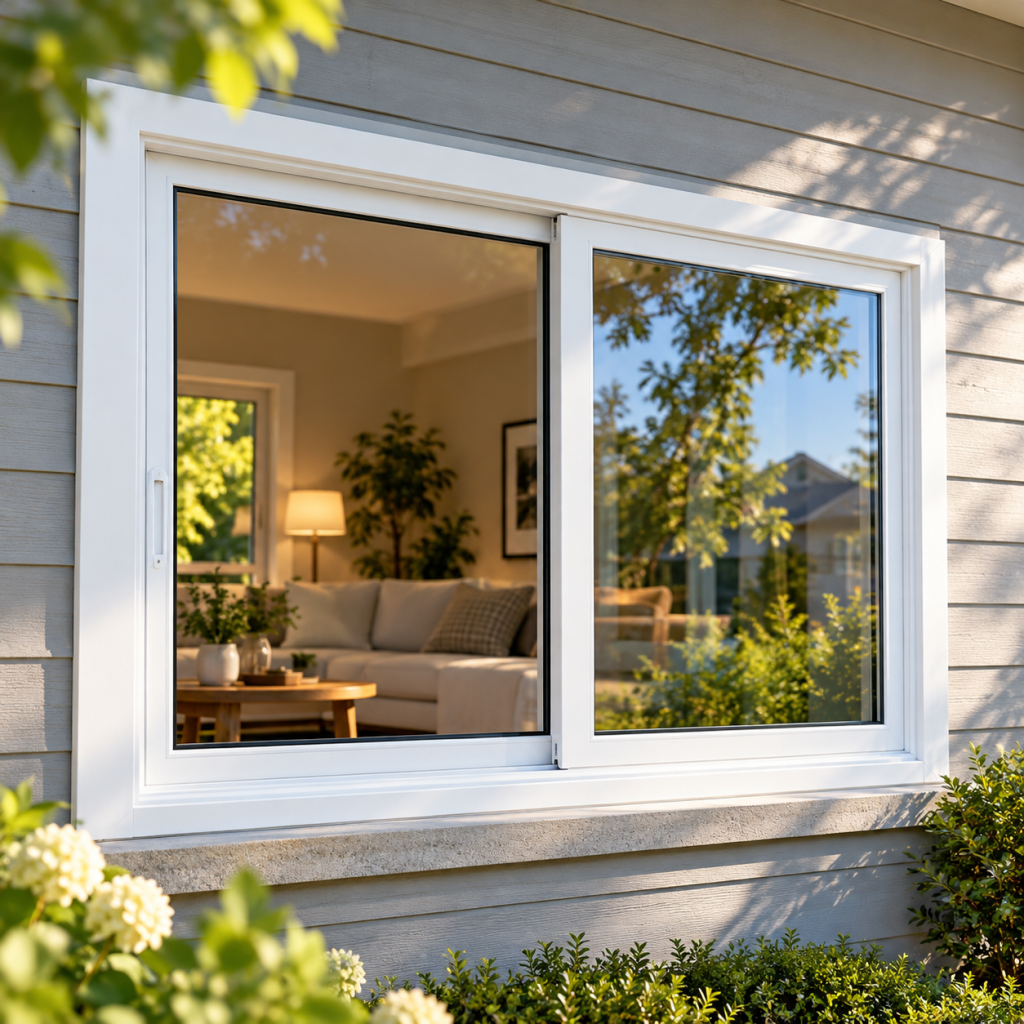
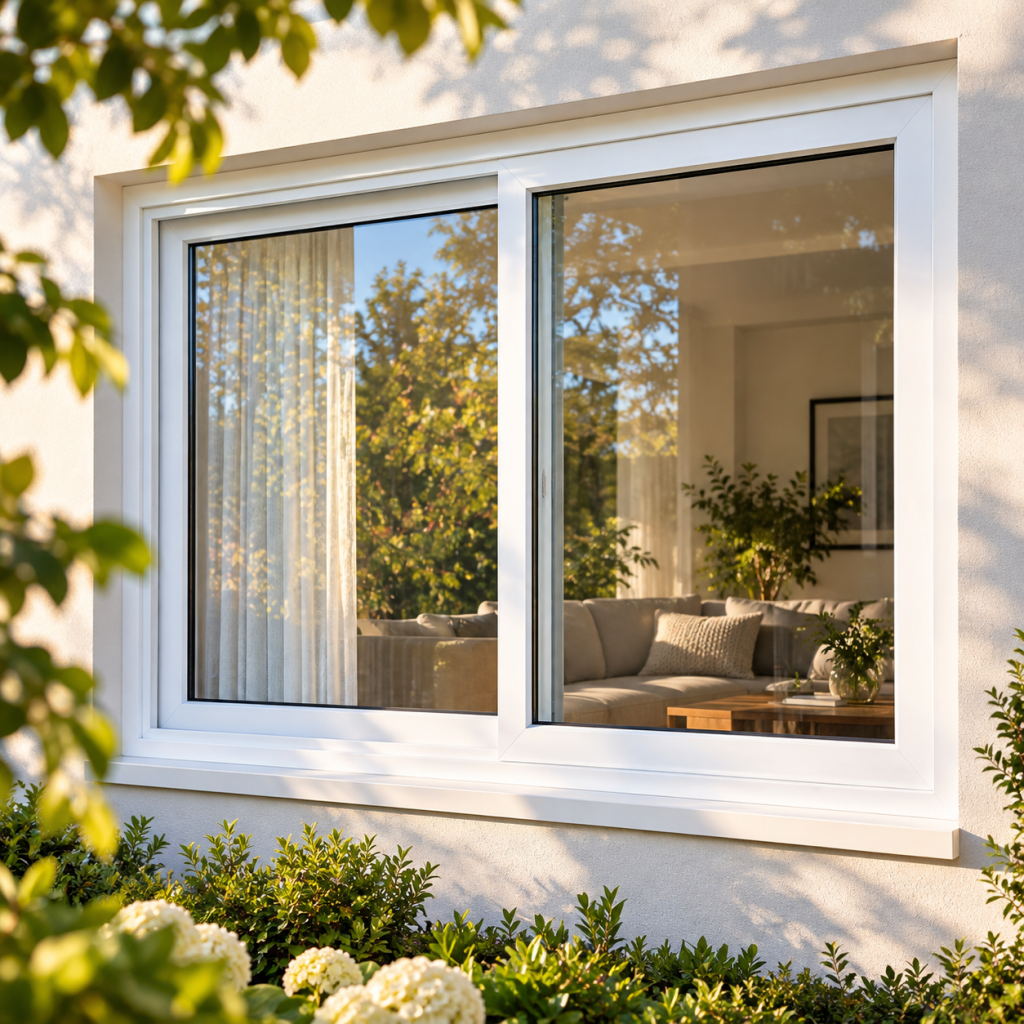
Double-glazed UPVC sliding windows help homeowners create more comfortable indoor environments throughout the year. Each insulated glass unit contains two panes separated by a sealed cavity. This construction reduces heat transfer compared with comparable single-glazed windows. In addition, multi-chamber PVC profiles help limit thermal movement through the window frame. For homes in colder climates, suitable double glazing can reduce heat loss during winter. Meanwhile, warmer regions may benefit from glazing configurations that limit unwanted solar heat gain. Optional Low-E coatings provide additional thermal performance options for different climates. However, overall energy efficiency depends on the complete window assembly. Glass specifications, frame construction, weather seals, and installation all influence performance. Therefore, buyers should compare verified whole-window U-factor and solar heat gain coefficient ratings before choosing. Properly specified vinyl sliding windows offer practical insulation solutions for modern houses, luxury villas, apartments, and residential renovation projects.
Energy Efficient Vinyl Sliding Windows with Low-E Glass and Climate-Specific Glazing
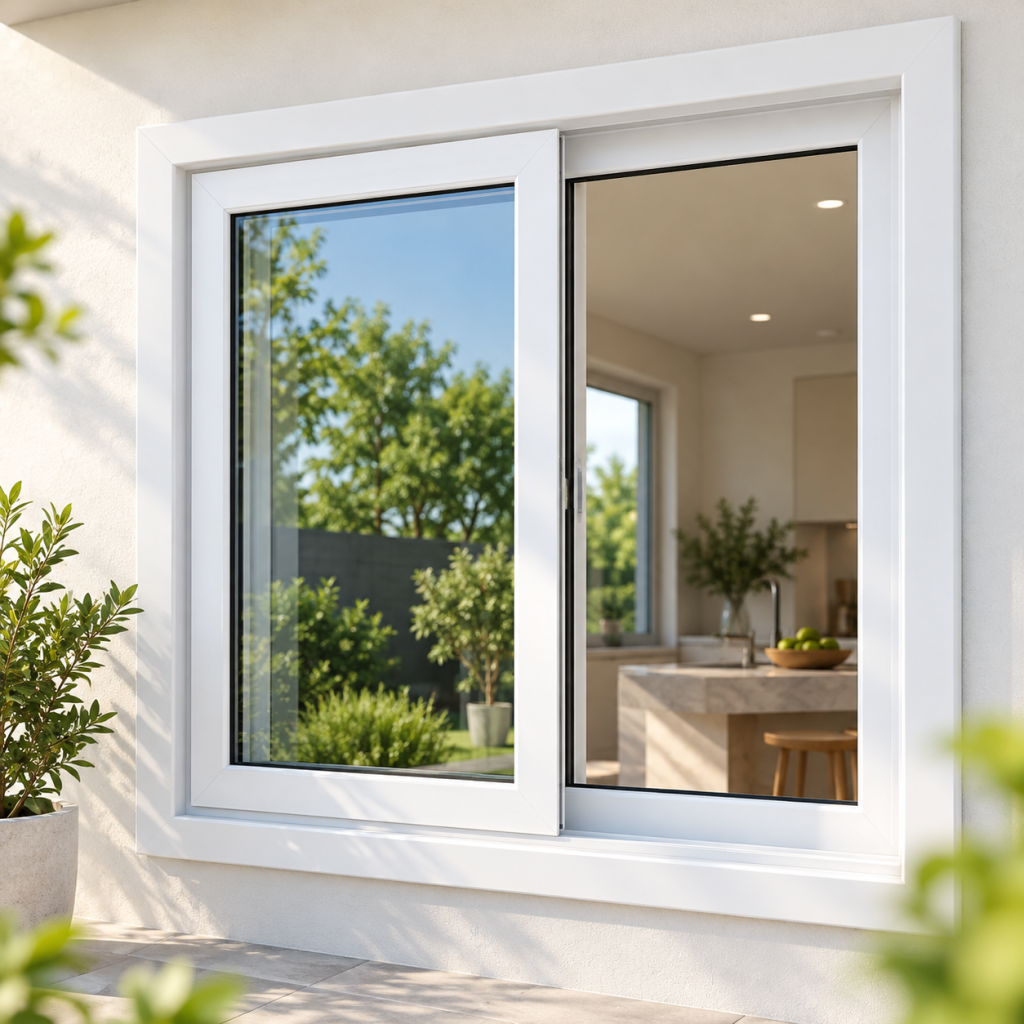
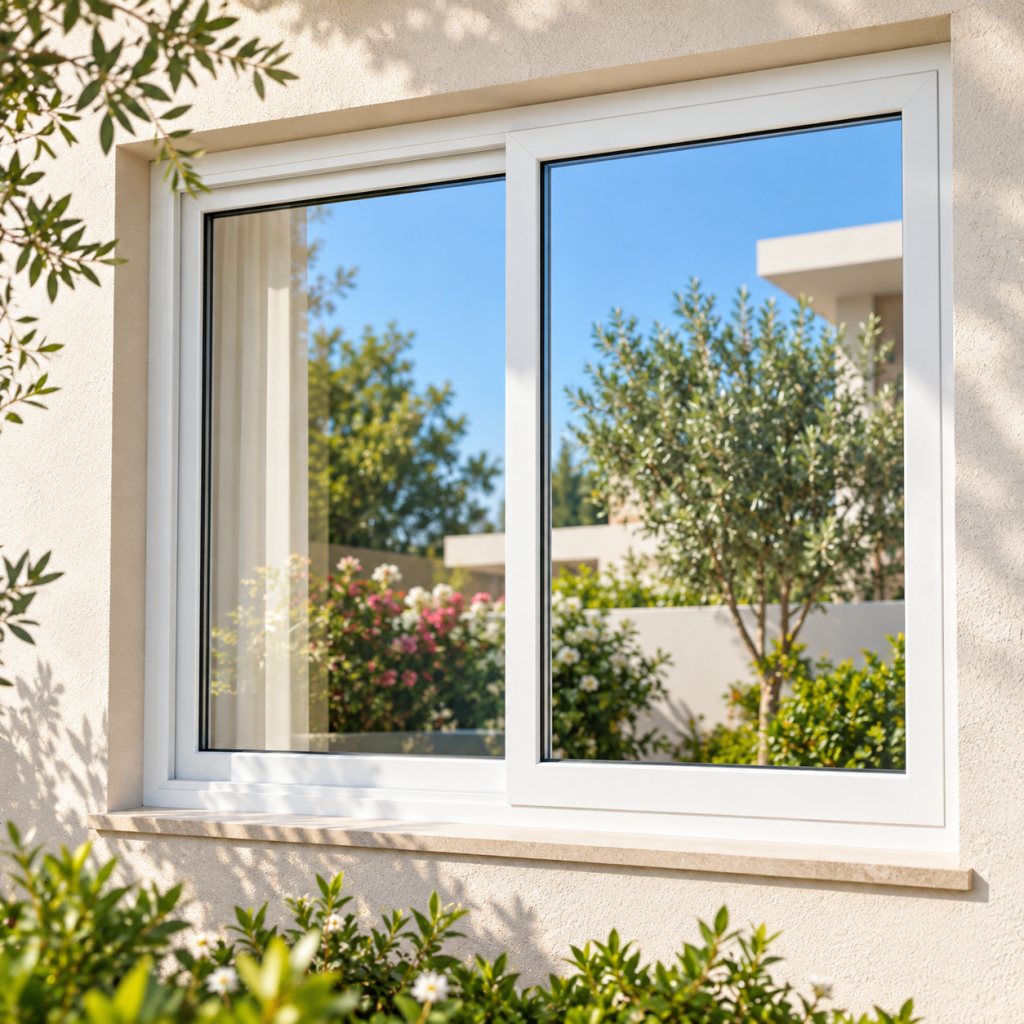
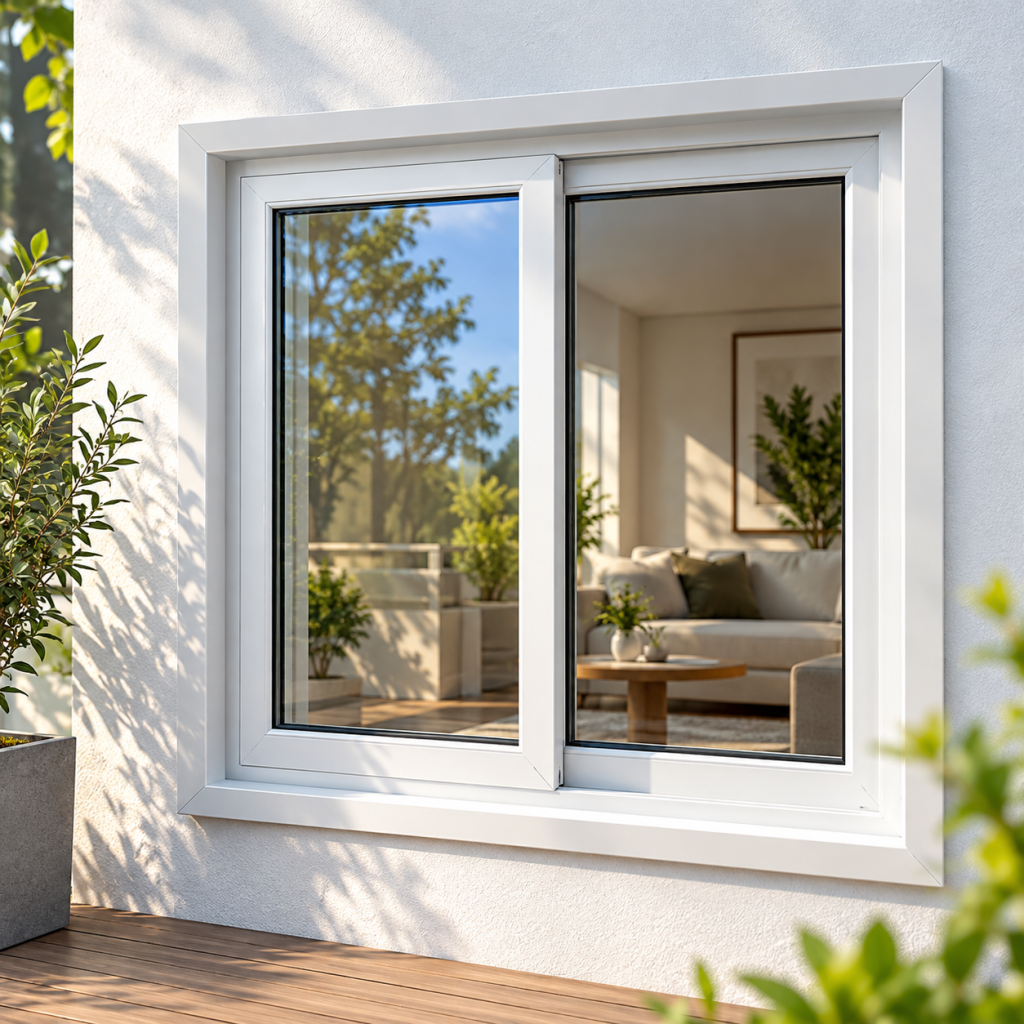
Energy-efficient vinyl sliding windows offer flexible glazing choices for different residential climates. Standard double glazing helps reduce heat transfer through the window. Furthermore, optional Low-E coatings can improve thermal performance by controlling radiant heat movement. Different coatings provide different levels of solar heat control and insulation. For example, houses in hot climates may benefit from glass that reduces unwanted solar heat gain. Meanwhile, colder regions may require glazing that prioritizes heat retention. Buyers can also consider suitable gas-filled insulated glass units where available. In addition, compatible tempered or laminated glass may address specific safety requirements. However, the best glazing configuration depends on building orientation, local climate, and applicable energy standards. Contractors should compare verified U-factor and solar heat gain coefficient values instead of relying on glass descriptions alone. Custom PVC sliding windows with suitable insulated glazing can support comfortable interiors, natural daylight, and energy-conscious residential designs.
Durable PVC Sliding Windows with Weather Sealing and Space-Saving Operation
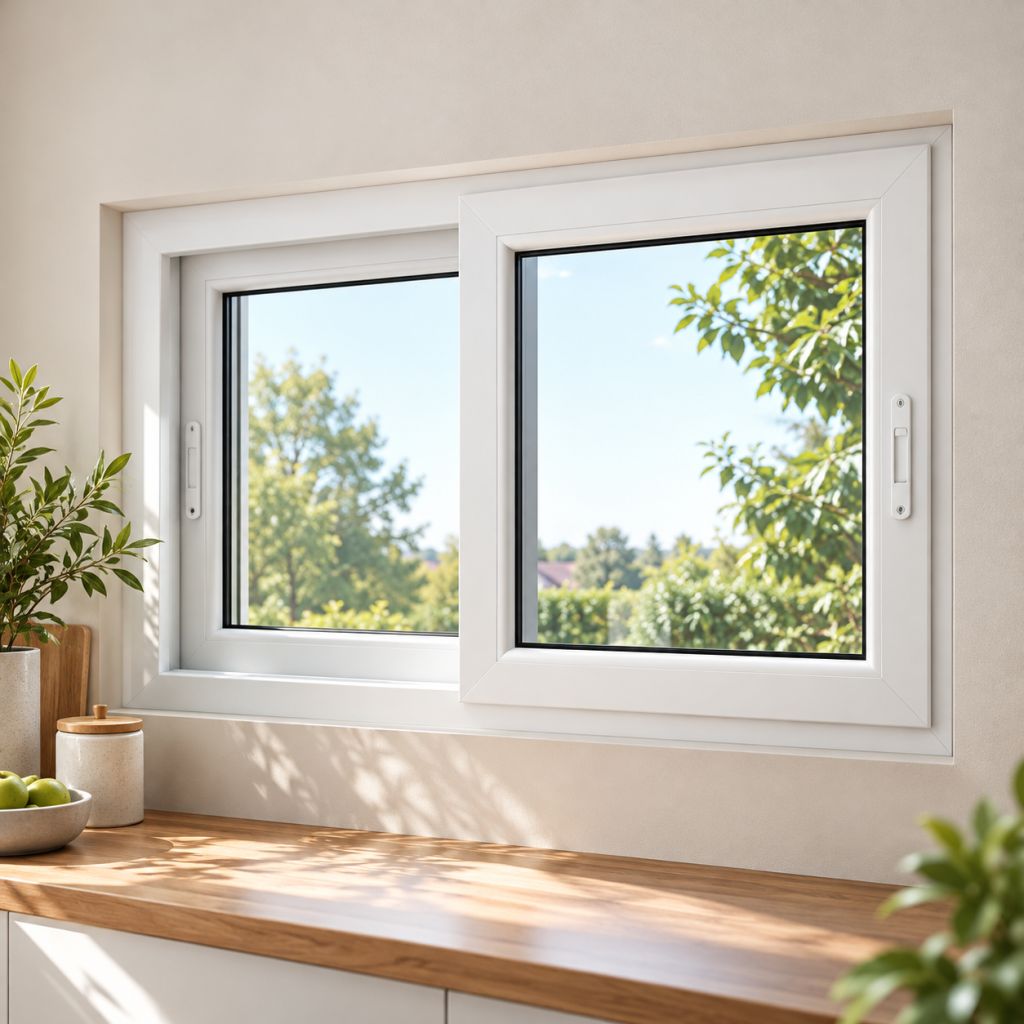
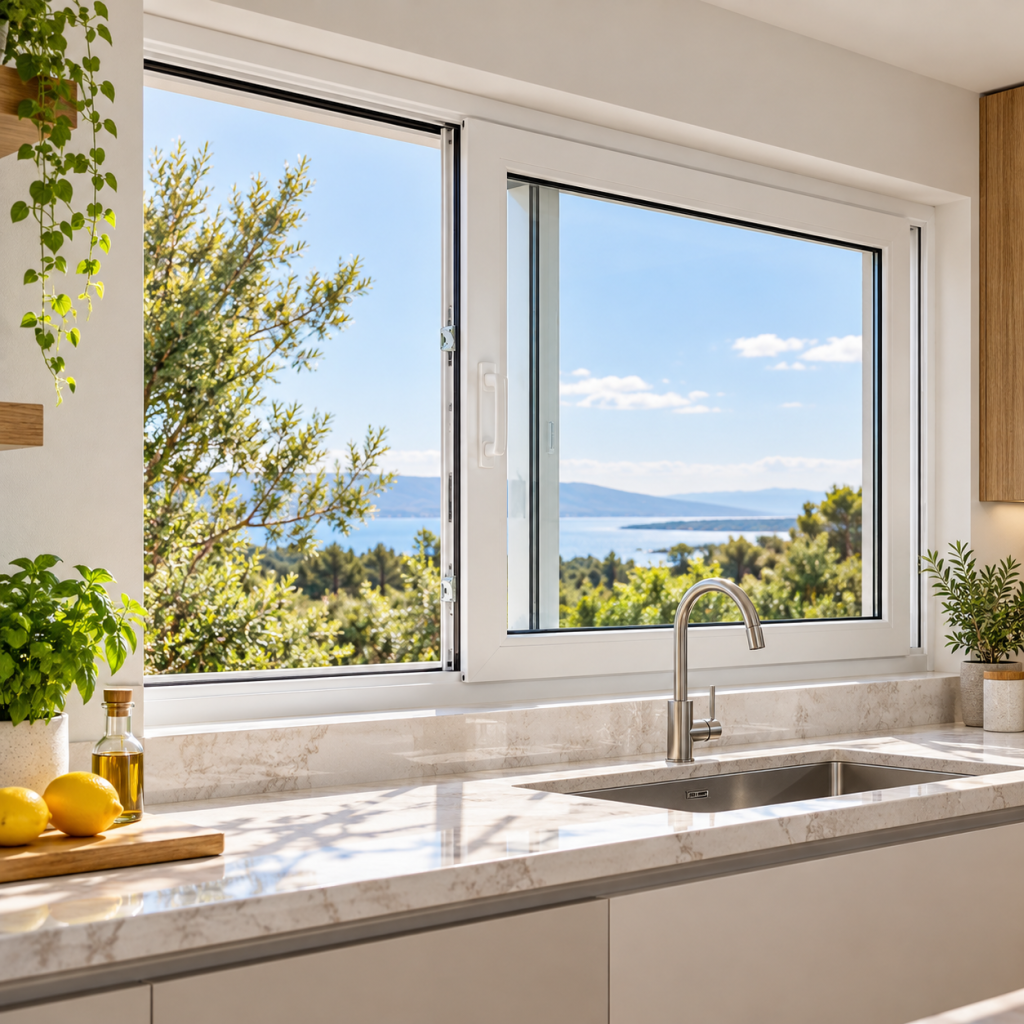
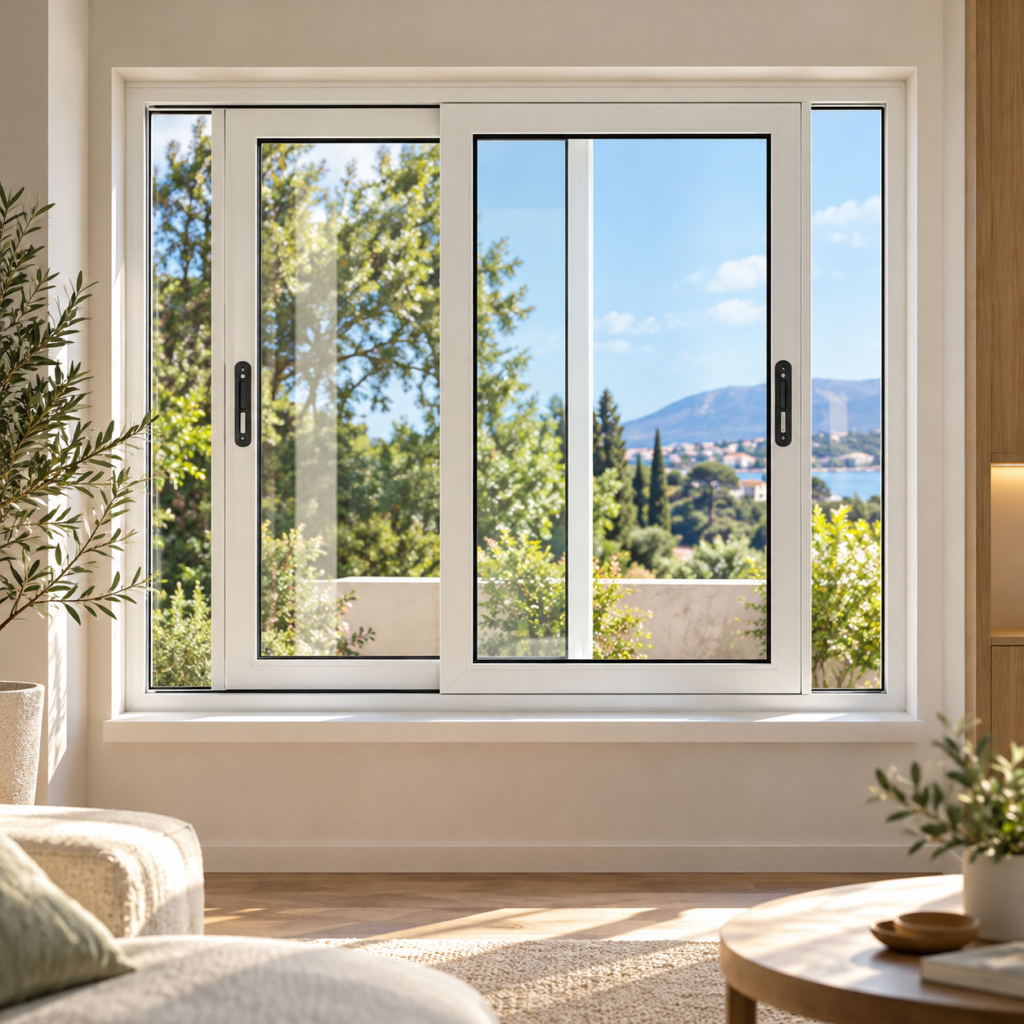
PVC sliding windows combine convenient horizontal operation with practical maintenance requirements. Their rigid UPVC frames resist moisture-related corrosion and do not require routine repainting. Furthermore, suitable rollers and track designs help maintain smooth sash movement during everyday use. Homeowners can adjust ventilation without opening window panels into nearby spaces. Therefore, sliding windows suit kitchens, bedrooms, balconies, and rooms with limited clearance. In addition, compatible locking hardware supports secure closure. Weather seals and drainage channels contribute to the window’s overall performance. However, sliding systems may have different air infiltration characteristics from compression-sealed casement windows. Buyers should review verified air leakage and water penetration ratings for their intended locations. Meanwhile, regular track cleaning helps prevent debris from affecting roller movement. Coastal properties may also benefit from suitable corrosion-resistant hardware. Proper installation remains essential for drainage and consistent operation. Well-specified vinyl sliding windows offer practical ventilation, manageable maintenance, and modern residential styling.
Custom Double Glazed UPVC Sliding Windows for Residential Builders and Developers
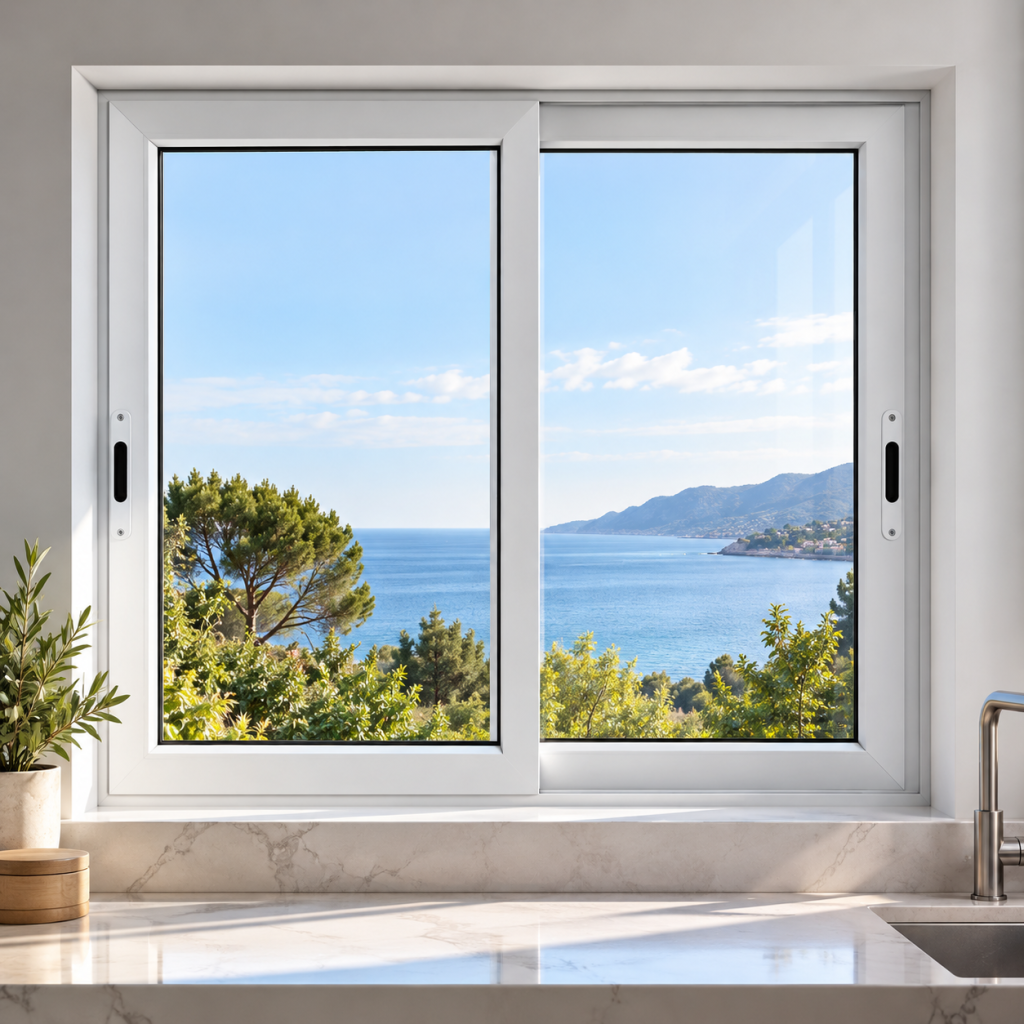
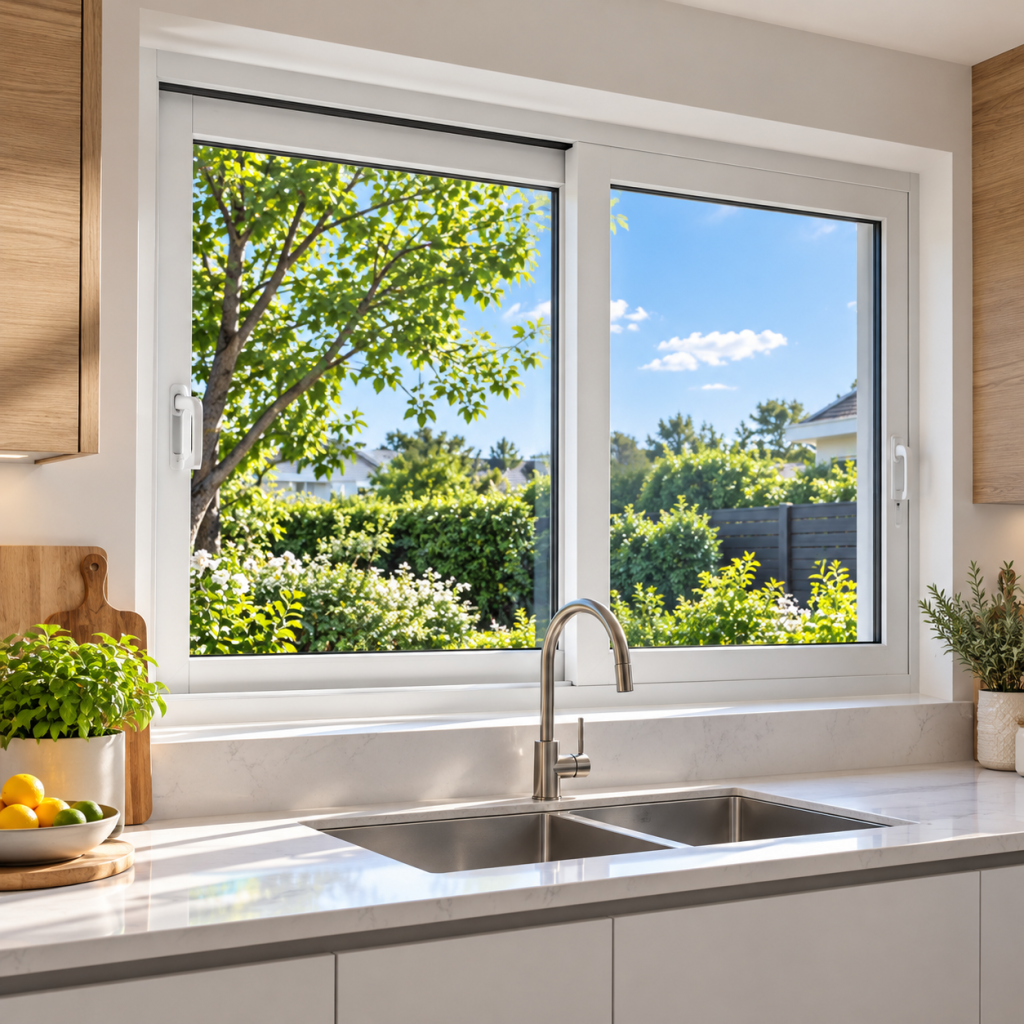
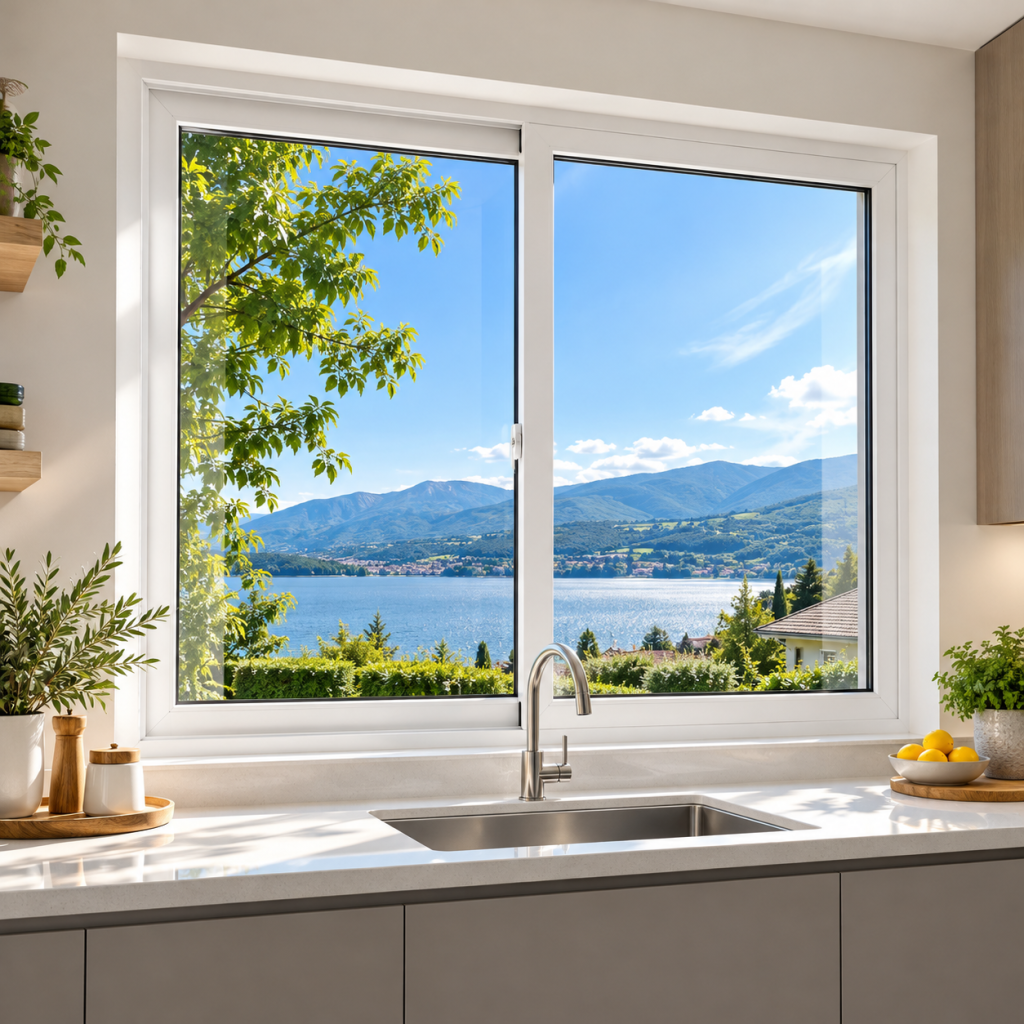
Residential construction projects often require sliding windows with different sizes, glazing specifications, and frame finishes. Custom double-glazed UPVC sliding windows help builders coordinate these requirements across houses, villas, and apartment developments. For example, living rooms may need wide glass panels, while bedrooms often require smaller sliding configurations. Meanwhile, kitchens and utility rooms may benefit from compact, space-saving window designs. Buyers can select compatible two-track, three-track, or other sliding arrangements according to project requirements. In addition, consistent frame colors help maintain a coordinated architectural appearance throughout the development. Contractors should prepare window schedules that identify dimensions, quantities, glazing specifications, and sliding directions. These details help suppliers review suitable configurations and prepare accurate quotations. However, maximum sash dimensions depend on profile strength, reinforcement, glass weight, and roller capacity. Therefore, technical confirmation remains essential before manufacturing. Custom PVC sliding windows support organized procurement for residential contractors, property developers, and building material distributors.
Frequently Asked Questions (FAQ)
Q1: Are Double Glazed UPVC Sliding Windows Energy Efficient?
Yes. Double-glazed UPVC sliding windows can provide good thermal performance when manufacturers combine suitable insulated glass, multi-chamber profiles, and weather seals. Optional Low-E coatings may improve insulation further. However, actual energy efficiency depends on the complete window assembly. Buyers should compare verified U-factor, solar heat gain coefficient, and air leakage ratings before selecting a configuration.
Q2: What Is the Difference Between Single Glazed and Double Glazed PVC Sliding Windows?
Single-glazed PVC sliding windows use one glass pane, while double-glazed versions contain two panes separated by a sealed cavity. Double glazing generally reduces heat transfer compared with comparable single glazing. In addition, suitable Low-E coatings can improve thermal performance. However, actual insulation depends on glass specifications, frame construction, weather seals, and installation quality.
Q3: Can Energy Efficient Vinyl Sliding Windows Help Reduce Heating and Cooling Costs?
Energy-efficient vinyl sliding windows may help reduce heating and cooling energy use when they improve a building’s overall thermal performance. However, actual savings depend on climate, window orientation, existing insulation, HVAC efficiency, and installation quality. No fixed savings percentage applies to every property. Buyers should review verified performance ratings and consider building-specific energy calculations before estimating potential savings.
Q4: Can UPVC Sliding Windows Be Customized with Low-E Glass and Different Frame Sizes?
Yes. Many UPVC sliding window systems support custom dimensions, frame colors, glazing specifications, and sliding configurations. Buyers may select compatible Low-E double glazing, tempered glass, or laminated glass according to project requirements. However, maximum sash dimensions depend on profile strength, reinforcement, glass weight, and roller capacity. Architectural drawings help suppliers confirm suitable configurations before production.
Q5: How Do I Order Custom Double Glazed UPVC Sliding Windows for a Residential Project?
Start by preparing window dimensions, quantities, preferred sliding configurations, and frame colors. Next, identify your glazing requirements and target thermal performance ratings. Share architectural drawings or a window schedule with the supplier. The manufacturer can then review suitable profiles, insulated glass, rollers, and hardware options. Before ordering, confirm technical specifications, production lead times, packaging, shipping terms, and installation requirements.


Reviews
There are no reviews yet.